Top 10 Skills for Students to Succeed in the Modern World

Student success depends on more than just academic competency. A few essential skills include communication, critical thinking, time management, teamwork, and flexibility. 

Achieving mastery in these enables students to face academic challenges, develop sound interpersonal relationships, develop self-confidence and thrive in professions down the line, establishing a solid foundation for a lifetime of success.

This article discusses the top 10 skills that students must possess in order to be successful.

Skill 1: Critical Thinking and Problem-Solving

Critical thinking and problem-solving are key skills that enable students to evaluate information, analyze choices, and make informed decisions. These competencies promote questioning, creativity, and logical reasoning. 

Through critical thinking, students learn to wisely tackle challenges, come up with innovative solutions, and respond to new situations, equipping them for academic achievement and real-world problem-solving in their professional careers.

Skill 2: Effective Communication

Good communication is essential in conveying ideas in a clear manner and establishing solid relationships. It includes active listening, effective speaking, reflective writing, and grasping non-verbal communication. Good communication skills enable students to work together effectively, express themselves confidently, and prevent misunderstandings. 

Acquiring this skill not only enhances performance in school but also equips students for success in their professional and personal lives in the future.

Skill 3: Digital Literacy and Technology Skills

Technology competency and digital literacy are paramount in the current digital age. Students should be able to use computers, software, and the internet effectively and securely. They need to understand how to use these technologies to conduct research efficiently, work collaboratively, and communicate. 

Technology literacy also prepares students for contemporary work environments, enabling them to cope with technological advancements, think creatively and solve problems, and remain competitive in an ever-changing environment.

Skill 4: Creativity and Innovation

Creativity and innovation enable students to think differently and create novel solutions to challenges. Creativity, experimentation, and risk-taking are fostered through these skills. Students are able to address challenges in new ways and bring novel contributions by developing creativity. 

Innovation also makes students resilient because they are taught to transform and enhance concepts, making them ready for changing future careers.

Skill 5: Collaboration and Teamwork

Collaboration and teamwork are crucial to accomplishing collective objectives and creating good interpersonal relations. Teamwork helps students listen, appreciate various views, and allocate duties properly. It also promotes problem-solving and conflict management skills. 
By building collaboration skills, students learn to make a positive contribution, assist others, and thrive in both academic undertakings and future professional life.

Skill 6: Time Management and Organization

Time organization and management are key abilities that enable students to prioritize tasks, keep up with deadlines, and minimize stress. Through advanced planning, goal-setting, and a structured schedule, students will be able to juggle academics, extracurriculars, and personal obligations more efficiently. 

These skills enhance productivity and concentration and create the foundation for success in academic and professional life throughout their lives.

Skill 7: Adaptability and Resilience

Flexibility and resilience empower students to deal with change, failure, and surprise adversity with a positive attitude. Adaptability refers to speed in adapting to new situations, while resilience implies maintaining strength and motivation in adverse circumstances. 

Mastering these capabilities keeps students flexible, assured, and solution-finding, empowering them to flourish in dynamic learning, personal, and professional worlds throughout their lives.

Skill 8: Emotional Intelligence and Social Skills

Emotional intelligence and social skills are necessary to understand and manage emotions, develop empathy, and have healthy relationships. Students with high emotional intelligence are able to communicate well, resolve conflicts in a peaceful manner, and work harmoniously with others. 

These abilities also assist in stress management and making wise decisions, creating a conducive environment for academic achievement, personal development, and future career growth.

Skill 9: Leadership and Decision-Making

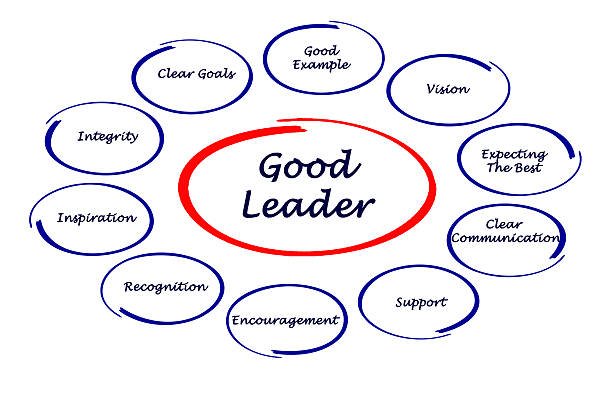
Leadership and decision-making abilities enable students to be proactive, motivate others, and lead groups toward a shared purpose. Effective leaders are good listeners, clear communicators, and wise decision-makers. 

The development of these skills creates confidence, accountability, and critical thinking. Through the exercise of leadership and decision-making, students equip themselves to face real-world problems and thrive in academic and professional settings.

Skill 10: Financial Literacy and Responsibility

Financial responsibility and literacy educate students to spend money wisely, prepare a budget, and make sound financial decisions. Learning concepts such as spending, investing, and saving enables students to secure their future. 
Acquiring finances at an early stage ensures independence, avoids the risk of debt, and equips students to handle real-world finances with confidence and wise decision-making.

Challenges in Skill Development

Developing essential skills can be challenging because of

  • Lack of motivation
  • Lack of awareness
  • Fear of failure
  • Limited resources
  • Poor guidance
  • Resistance to change
  • Time management issues

Practical Strategies for Developing These Skills

To overcome hurdles in skills development, parents, teachers and students can take the following steps:

  • Encouraging Real-World Applications
    Promoting real-world applications enables students to relate theoretical knowledge with real-life experiences, making learning more relevant. Internships, projects, volunteering, and simulations enable them to implement skills, gain confidence, and develop problem-solving skills.

  • Using Technology for Skill Development
    Utilizing technology for skill-building provides students with access to web-based courses, learning apps, virtual simulations, and interactive resources. It boosts learning, aids practice, and offers customized resources to develop required skills efficiently.

  • Creating a Growth Mindset
    Developing a growth mindset makes students see challenges as learning opportunities. It instills resilience, encourages constant improvement, and makes them believe that effort and determination result in success.

  • Practicing Self-Discipline and Responsibility
    Developing self-discipline and responsibility enables students to remain focused, prioritize time well, and accomplish goals. It promotes independence, enhances work ethic, and creates habits necessary for long-term academic and personal achievement.

Conclusion

Fostering key skills is important to the success of students in academic, career, and life settings. With appropriate mindset, daily practice, and support, students can overcome difficulties, develop confidence, and get themselves ready to meet a rapidly changing and dynamic world. New Horizon International School emphasizes skill development through the introduction of various extracurricular activities.   

Frequently Asked Questions (FAQs)

What are the Most Important Skills Students Need Today?
Communication, digital literacy, technological awareness, adaptability, resilience, emotional intelligence, critical thinking, problem solving, creativity, innovation, collaboration, time management and organization, leadership, decision-making, and financial management are the most important skills students must develop in this dynamic era.

How can Students Improve their Problem-Solving Abilities?
Problem-solving skills can be enhanced by students through practicing critical thinking, case study analysis, group discussions, getting feedback, dividing problems into smaller pieces, and using creative thinking to explore several solutions.

Why is Digital Literacy Important for Students?
Digital literacy is essential for students since it allows them to conduct research, communicate online, use technology ethically, and prepare for the workplace, thus equipping them to be adaptable and competitive in a digital age.

What are some Effective Ways to Build Leadership Skills in Students?
Leadership skills can be developed in students through student councils, leading group projects, volunteering, club membership, decision-making practice, mentorship, and participation in activities promoting responsibility, teamwork, and communication.

Top 10 Easy Tips to Improve Communication Skills for Students

The ability to express opinions, thoughts, and ideas is an art. It requires a good command of communication skills, which are essential for students to excel in academics, social life, and future careers.

This article gives you tips and strategies to enhance communication skills.

Tip 1: Practice Active Listening

Listening is as important as talking. While having a conversation with other people, attentive listening is quite important. It helps in understanding others’ views and responding appropriately. 
To improve your listening skills, do not be distracted while the person is talking, do not use your phone, give the speaker your undivided attention, nod your head at regular intervals, avoid interrupting, and do not jump to conclusions.

Tip 2: Expand Vocabulary and Clarity

The wide knowledge about words, synonyms and antonyms helps in understanding. Additionally, the use of appropriate and rich words leaves a good impression on the listeners and readers. 

Before talking or writing, be clear with your thoughts. This will help include only useful and relevant information. Using unnecessary words or flowery phrases leaves the reader and listener confused. Therefore, using precise and concise language is essential for effective communication.

Tip 3: Improve Nonverbal Communication

Nonverbal communication includes body language, facial expressions, eye contact, posture and gestures. These indirectly convey a lot of information. Nonverbal communication is mainly used to express emotions, convey attitude, and manage impressions. 

Nonverbal cues indicate internal thoughts and feelings. Therefore, maintaining eye contact while speaking, sitting erect, using minimal gestures, and having a decent smile on your face show confident behavior and warmth and help build connections in personal and professional interactions. 

Tip 4: Engage in Public Speaking and Group Discussions

Speaking in front of a large audience improves verbal and nonverbal communication. It helps in organizing thoughts and using appropriate language. It improves articulation and clarity. 

Group discussions enhance active listening skills and collaboration, which are necessary for interpersonal communication. In conclusion, participating in debates, group discussions, and presentations boosts confidence and removes stage fright. They offer a sense of self-assurance, build self-confidence  and increase logical thinking capabilities.

Tip 5: Read and Write Regularly

Reading is one of the most powerful ways to improve communication. It offers exposure to new vocabulary and information. Reading aloud helps in improving fluency, comprehension and pronunciation skills. 

Writing is helpful in expressing inner feelings and ideas in a clear written form. It is also beneficial for logically organizing information and accurately conveying messages. Consistent reading and writing elevates language proficiency.

Tip 6: Develop Confidence and Overcome Fear

Speaking with confidence is necessary to express thoughts and ideas clearly. Fear while speaking, especially in public settings, displays a lack of confidence and hampers clarity. 

To overcome this fear, practice speaking confidently in front of a mirror or with friends. Join debate clubs and take part in extracurricular activities like extempore. Practice deep breathing exercises, visualization, and positive self-talk to manage anxiety and overcome shyness.

Tip 7: Use Technology and Digital Communication Wisely

Proper application of technology enhances communication through facilitating quick, clear, and effective interaction. Select an appropriate platform, use a professional tone, and be careful with words. Steer clear of using slang and unwanted emojis to avert misunderstandings. 
Digital tools have enabled remote work and worldwide connectivity. Intelligent usage of technology enhances personal as well as professional communication in today’s digital era.

Tip 8: Seek Constructive Feedback

The feedback from teachers, parents, and peers is crucial for improvement. Feedback points out strengths and weaknesses. This gives an opportunity to improve on writing and reading skills. Accepting criticism with a positive attitude leads to continuous improvement.

Constructive criticism offers valuable insights that boost confidence and make communication efficient, effective, clear and impactful over time. The actionable feedback encourages students and creates a positive learning environment.

Tip 9: Engage in Role-Playing and Real-Life Conversations

Role-playing offers a platform for students to practice different scenarios and understand diverse perspectives. Activities like debates, interviews, and group discussions boost confidence, develop critical thinking, enhances adaptability and improve verbal and nonverbal communication. 
Real-life conversations provide practical experience in active listening, understanding others’ views and forming responses. Over time, these interactions reduce hesitation and promote efficient communication.

Tip 10: Stay Patient and Keep Practicing

Communication enhancement is a gradual process. It needs constant effort and continuous practice through real-life conversations, public speaking, and group discussions. Staying patient helps in not giving up during setbacks and remaining motivated. 
Setting small practical goals makes the process easy and manageable. Eventually, you will witness noticeable improvements in confidence and clarity. To gain mastery over communication, keep practicing and stay committed.

Overcoming Common Communication Barriers

Some common communication barriers that students face are

  • Stage fright
  • Social anxiety
  • Language difficulties
  • Distractions
  • Lack of clarity
  • Misunderstandings 

Practical Strategies for Parents and Teachers to Support Students

The support of students and teachers is vital to enhance communication skills in students. Here are some practical strategies:

  • Encouraging Open Conversations at Home and School
    Parents must have open-ended conversations at home to build trust and make children comfortable expressing their thoughts and feelings. It develops a strong relationship and enhances listening skills and empathy. Teachers must promote open communication in the classroom through discussion on various topics. This improves clarity and enhances knowledge on various topics.

  • Providing Opportunities for Public Speaking
    Hold debates, group discussions and extempore competitions, and encourage students to take part in them. These kinds of activities remove stage fright, improve clarity of thoughts and give exposure.

  • Teaching the Importance of Listening and Empathy
    The skills of listening and empathy are essential for building meaningful relationships. Active listening shows respect, while empathy helps in connecting with people’s feelings. 

  • Helping Students Overcome Communication Anxiety
    To overcome communication anxiety, children must be encouraged to practice deep breathing, take part in public speaking and engage in conversations. Create a safe learning space where mistakes are corrected and not severely criticized.

Conclusion

Effective communication is a crucial life skill that greatly impacts the personal and professional success of students. Students can elevate their communication skills by following the above-discussed strategies and consistent implementation.  We, at New Horizon International School, are committed to enhancing holistic development in students with more emphasis on inculcating essential life skills.

Frequently Asked Questions (FAQs)

How can Students Improve Communication Skills Quickly?
Students can quickly improve communication skills through participating in public speaking, engaging in group discussion, regular reading and writing, watching shows, seeking feedback, staying patient, and consistent practice.

What are some Fun Activities to Enhance Communication Skills?
Role-playing, debates, charades, group discussions, narrating stories, and team-building activities are some fun ways to enhance communication skills.

How do I Help a Shy Student Become a Confident Speaker?
To help a shy student become confident, provide constructive feedback, correct mistakes, create a safe learning space, praise efforts, encourage regular practice, and build confidence through positive reinforcement.

What is the Best Way to Develop Written and Verbal Communication Skills?
For written skills, start with journaling, seek feedback, and write regularly. To develop verbal communication skills, engage in conversations, listen attentively, join clubs, and practice public speaking.   

Tips for Parents to Balance Academic and Extracurricular Activities for Kids

While all students read the same material and learn similar things from teachers, then what makes a child unique and stand out from the rest? Have you heard about extracurricular activities and their impact in real life?  

Majority of the schools organize extracurricular activities to arouse interest and cultivate new skills in children. But oftentimes, children find it challenging to strike a right balance between managing studies and following an activity of their interest.
In this article, let us examine the benefits of extracurricular activities along with some tips for co-curricular balance.

Benefit 1: Improved Time Management Skills

Juggling academics and extracurriculars teaches kids to manage their time effectively. They learn to plan their day or week in advance, prioritize important tasks, allot particular time to each activity, and implement their schedule.

These activities teach them to meet deadlines and stay organized and consistent, leading to high possibilities of academic and personal success. By participating in extracurricular activities, students aim to complete their academic tasks without procrastination, remain focused and complete assignments on time.

In the long run, time management prepares students for real-world challenges. It improves productivity in the workplace or personal life. Thereby, it instills confidence and independence, paving the way for overall development.

Benefit 2: Boost in Academic Performance

Engaging in extracurricular activities like sports, drawing, embroidery, etc., improves focus and creativity. These activities accelerate brain function and cultivate essential life skills like discipline, consistency and perseverance. These skills contribute to improved academic performance.

Participation in these activities also motivates children to attend school with keen interest. Activities like group discussions, debates and quizzes arouse academic interest in children. They develop eagerness to learn and know new things, inculcating a positive attitude towards learning.

Additionally, these activities foster critical thinking, problem solving and decision-making capabilities. They give kids an opportunity to apply theoretical knowledge to practical situations. Overall, extracurriculars enhance cognitive skills and classroom learning experiences.

Benefit 3: Development of Social and Emotional Skills

Extracurricular activities help children build confidence, teamwork, and communication skills. Through participation in group activities like basketball, dram club or community service, kids learn to interact with others and develop meaningful relationships.

Group activities provide a chance for students to contact individuals from different backgrounds and perspectives. They cultivate empathy, respect and broadmindedness. 

Interaction with classmates and fellow students helps students express themselves, resolve conflicts in a healthy manner, and build emotional resilience. 

Benefit 4: Stress Reduction and Mental Well-being

Extracurricular activities act like a platform to relieve stress. With increasing academic workload, engaging in activities and spending time with friends reduces anxiety and improves mental well-being. They provide a healthy outlet for stress relief and emotional balance. 

Participation in activities like music, art, drama, or yoga soothes the mind and distracts students from everyday pressures. Team activities reduce feelings of isolation and loneliness, boosting self-confidence and social interaction. 

Moreover, students develop essential skills like time management, communication, and self-esteem, which gives them a sense of accomplishment and satisfaction. These skills contribute to positive mental health.

Benefit 5: Exploring Interests and Future Career Paths

Extracurricular activities make way for students to explore their talents and discover passions that may shape their future careers. By participating in various activities, they can examine what interests them and where their strengths lie. Additionally, the mention of extracurricular activities on a resume leaves a good impression about the personality of the student.

These activities act as an excellent opportunity to analyze and develop necessary skills early on. For example, if someone is into badminton, he/she can take coaching, participate in tournaments, and make a career out of it.

In summary, extracurricular activities provide exposure and hands-on experience that helps students gain insights into various aspects. These experiences aid them in making the right decisions about their future. 

Practical Strategies for Parents to Maintain Balance

Here are some practical tips that help parents ensure that kids stay organized and maintain harmony between academics and extracurriculars:

  • Creating a Well-Structured Schedule
    A well-planned schedule helps students to manage time effectively and be consistent in their routine. Parents must help their children in devising a flexible plan, allocating adequate time to school activities and co-curriculars.

  • Prioritizing and Setting Realistic Goals
    Parents can aid children in prioritizing and completing important tasks first. Knowing this will help in making informed decisions and setting realistic goals that are flexible and doable.

  • Encouraging Open Communication with Kids
    Parents must hold transparent discussions with children to understand their concerns and provide guidance. This releases stress levels and provides a safe and comforting environment. 

  • Monitoring Academic Progress Without Overloading
    Regular checks on the academic performance of the children are necessary to ensure they are on the right track and are not carried away in pursuing extracurriculars.   

Explore: Good Manners for Kids 

Overcoming Common Challenges

While balancing academic and extracurricular activities, students often encounter challenges like:

  • Time crunch
  • Fatigue and burnout
  • Academic pressure
  • Overcommitment
  • Lack of motivation
  • Inconsistent behavior
  • Conflicting schedules

Schools also face hurdles in promoting extracurricular activities, like:

  • Inadequate infrastructure
  • Lack of skilled teachers
  • Academic overload
  • Insufficient time
  • Limited funding
  • Low student participation

These challenges can be overcome by taking the following measures:

  • Making a flexible timetable allocating time blocks for every activity.
  • Staying organized by keeping track of assignments, deadlines and commitments.
  • Taking regular breaks to feel rejuvenated and start afresh.
  • Seeking guidance and help from parents in managing tasks.
  • Schools can utilize empty space and create multi-purpose spaces for extracurriculars.

Conclusion

Extracurricular activities are like stepping stones that nurture each student, make them special and help them shine beyond academics. Through participation in these activities, they get an opportunity to discover their passions and shape their own identity. Teachers and parents must handhold and provide adequate guidance to balance schoolwork with extracurricular activities, easing pressure on children. 

Frequently Asked Questions (FAQs)

How many Extracurricular Activities should a Child Participate In?
There is no ideal count, as it depends on the academic pressure, time availability and individual capacity to multitask. But participation in 1-3 activities could help them in developing new skills, leading to overall well-being.

What If My Child Struggles to Manage Both Academics and Activities?
In that case, help them identify the important task and concentrate on accomplishing that first. Support them in making a flexible timetable and reduce the workload.

How can I Help my Child Stay Motivated Without Feeling Overwhelmed?
Encourage them to break complex work into smaller, manageable chunks, prepare a flexible schedule, and appreciate progress. Offer emotional support, have open discussions and allow them to take regular breaks.

Are Extracurricular Activities Necessary for Academic Success?
Participation in extracurricular activities improves focus, retention, time management, problem solving and critical thinking capabilities, all of which contribute to increased academic performance.

Self Study: Importance, Benefits, and Effective Learning Tips

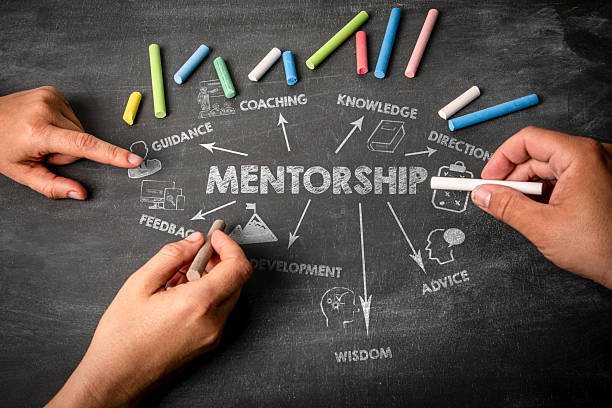
Studying is an important part of every student’s life, but depending only on classroom lessons is not enough to achieve true success. To grow as an independent learner, students need to practice self study. It is one of the most powerful ways to improve knowledge, boost confidence, and build strong learning habits. Even the best preschool in Whitefield encourages children to develop early self-learning skills, as it lays the foundation for lifelong academic success.

In this blog, we will explore the importance of self study, its benefits, effective techniques, and practical tips that can help students learn better.

What is Self Study?

Self study means learning on your own, without constant guidance from a teacher. It is not just about reading textbooks or solving assignments but about taking responsibility for your learning. Students who practice self study decide what to learn, how to learn, and when to learn.

This makes learning more personal, flexible, and effective. It encourages curiosity and helps students explore topics beyond the classroom syllabus.

Importance of Self Study

The importance of self study lies in the fact that it makes students independent thinkers. Teachers can provide guidance, but students must practice and revise by themselves to master any subject.

For example, if a student attends a math class but never solves problems alone, they will struggle during exams. However, a student who practices self study develops problem-solving skills, patience, and confidence.

Self study is also important because it prepares students for higher education and real-life challenges where independent learning is essential.

Benefits of Self Study

There are many benefits of self study that make it an essential habit for students. Some of the key ones include:

1. Better Understanding of Concepts
When students learn on their own, they take time to understand each concept deeply instead of just memorizing it.

2. Builds Self Discipline
Self study teaches students how to manage time, stay consistent, and practice regularly. These habits are useful not only in academics but also in life.

3. Improves Focus and Concentration
Since students learn at their own pace, they can avoid distractions and focus better on topics that matter most to them.

4. Encourages Curiosity and Exploration
With self study, students are free to read extra books, explore online resources, and research beyond their syllabus.

5. Increases Confidence
The more students practice self study, the more confident they become in solving questions, answering exams, and expressing their knowledge.

These benefits of self study show why it is a skill every student should develop early in life.

Self Study Techniques That Work

Many students wonder which self study techniques are effective. The truth is that every student learns differently, but some strategies work well for most learners. Here are a few practical techniques:

  • Make a study timetable – Allocate fixed hours for subjects and stick to the plan.
  • Use active recall – Test yourself after reading instead of just re-reading notes.
  • Break study sessions into chunks – Short, focused sessions work better than long, tiring ones.
  • Summarize lessons in your own words – Writing down what you understood helps memory retention.
  • Use visual aids – Mind maps, charts, and flashcards make learning faster.
  • Practice regularly – Revision and practice are key to mastering any subject.

Using these self study techniques helps students learn more effectively and avoid last-minute exam stress.

How to Do Self Study Effectively

Knowing the importance of self study is one thing, but the real question is: how to do self study effectively? Here are some practical steps:

  1. Set clear goals – Decide what topic you want to finish each day.
  2. Create a distraction-free space – Choose a quiet place without mobile or TV distractions.
  3. Follow a timetable – Consistency is the key to success.
  4. Use different resources – Combine textbooks, online videos, and notes for a complete understanding.
  5. Take breaks – Short breaks help refresh the mind and improve focus.
  6. Track progress – Check what you have learned at the end of each week.

These steps show that knowing how to do self study effectively is about planning, discipline, and smart strategies.

Developing Self Study Skills

To succeed as an independent learner, students need to build strong self study skills. These include:

  • Time management – Dividing time wisely between subjects.
  • Note-making – Writing clear, short notes for revision.
  • Critical thinking – Asking questions and understanding concepts deeply.
  • Self-motivation – Pushing yourself to study even when you don’t feel like it.

By practicing regularly, students develop these self study skills naturally, which help them in academics and beyond.

Self Learning Strategies for Success

In addition to techniques, adopting self learning strategies ensures long-term success. Some proven strategies are:

  • Teach what you learn – Explaining to a friend or even to yourself reinforces learning.
  • Practice past papers – Solving old exam papers improves speed and accuracy.
  • Mix subjects – Studying different subjects in a day avoids boredom.
  • Reward yourself – Small rewards after finishing a topic keep motivation high.

These self learning strategies make studying enjoyable and effective.

Importance of Self Discipline in Study

No matter how many tips or strategies a student uses, success is impossible without self discipline in study. Discipline means creating a routine and following it sincerely.

For example, if a student decides to study science at 5 PM, discipline means sitting down and focusing at that time every day. Over time, this habit creates consistency and reduces procrastination.

Discipline is the backbone of self study, and students who master it achieve better results.

Improving Focus for Self Study

One common challenge students face is losing concentration. Improving focus for self study is possible with the following tips:

  • Keep your phone away during study time.
  • Study in a clean and quiet space.
  • Use the Pomodoro technique (25 minutes study + 5 minutes break).
  • Stay hydrated and get enough sleep.
  • Revise regularly instead of cramming.

When students improve focus, self study becomes more productive and less stressful.

Conclusion

Self study is one of the most powerful habits that students can develop. It makes them independent, disciplined, and confident learners. The importance of self study lies in its ability to prepare students not just for exams but also for lifelong learning. Just like learning good manners for kids helps in building character and values, self study helps in shaping strong academic skills. By understanding the benefits of self study, using the right self study techniques, and practicing self learning strategies, students can achieve academic excellence. With discipline and consistency, self study becomes the key to success in school and beyond.

Frequently Asked Questions (FAQs)

Q1. What is self study?
Self study is learning on your own, without depending completely on teachers, by using books, notes, and other resources.

Q2. Why is self study important?
The importance of self study is that it makes students independent learners, improves confidence, and builds problem-solving skills.

Q3. What are the benefits of self study?
The benefits of self study include better focus, discipline, curiosity, and strong academic performance.

Q4. How can I do self study effectively?
You can do it effectively by setting goals, avoiding distractions, using multiple resources, and practicing regularly.

Q5. What skills are needed for self study?
Important self study skills include time management, note-making, critical thinking, and self-motivation.

How to Speak English Fluently: Simple Tips for Parents of Kids Under 5

English is one of the most widely spoken languages in the world. Whether you want to succeed in school, build your career, or connect with people globally, learning how to speak English fluently is a valuable skill. Many beginners feel nervous when they try to talk in English, but the truth is fluency comes with practice, patience, and the right strategies. Students from CBSE schools in Gunjur and across the world can benefit from simple learning techniques that make communication easier. In this blog, we will explore simple methods to speak English better, understand why practice is important, and share step-by-step tips that can help anyone become more confident in English communication.

Why Learning English Fluency Matters

Before we dive into practical tips, it’s important to understand why learning how to speak English fluently is so useful. Fluency helps you:

  • Communicate with people around the world.
  • Perform better in school and at work.
  • Build confidence in social situations.
  • Access books, movies, and courses available in English.

When you focus on fluency, you are not just learning words—you are learning a life skill.

Tips to Improve English Speaking

One of the best ways to begin your journey is to follow effective tips to improve English speaking. Beginners should focus on listening, speaking, reading, and writing. Some useful methods include:

  • Speak English daily, even in small sentences.
  • Listen to English songs, news, and conversations.
  • Read simple books or articles to build vocabulary.
  • Write short paragraphs or a daily journal in English.

These small steps will slowly make you confident in using English in daily life.

How to Learn English Easily

Many beginners wonder how to learn English easily without making the process boring. The secret is to enjoy learning. Try watching cartoons, movies, or YouTube videos in English with subtitles. Play word games, or use language apps to learn new words.

Instead of memorizing grammar rules all the time, focus on communicating. Remember, children learn their mother tongue by listening and speaking, not by memorizing rules first. Learning English should feel natural and enjoyable.

Ways to Practice English Daily

Practice is the key to fluency. Here are some ways to practice English daily:

  1. Talk to yourself in English – Describe what you are doing, for example: “I am cooking rice” or “I am writing homework.”
  2. Practice with a friend – Choose a friend or classmate who also wants to improve English. Speak only in English during your conversations.
  3. Record your voice – Record and listen to your own speech. This helps you notice mistakes and improve pronunciation.
  4. Use English in daily tasks – Write shopping lists, reminders, or notes in English.
  5. Join online groups – Participate in English speaking forums or practice groups to learn from others.

Regular practice is one of the strongest steps to learn English fluently.

English Fluency Tips for Beginners

If you are just starting, here are some practical English fluency tips for beginners:

  • Don’t be afraid of mistakes. Every mistake is part of learning.
  • Speak slowly and clearly. Fluency is not about speed, it’s about clarity.
  • Learn phrases instead of just single words. For example, “How are you doing?” instead of only “how.”
  • Repeat what you hear from English speakers. This builds rhythm and pronunciation.
  • Focus on listening first. Good listeners become good speakers.

These tips will help you become confident step by step.

Improve English Communication Skills

Speaking fluently is not only about knowing words but also about expressing ideas effectively. To improve English communication skills, focus on these points:

  • Body language: Maintain eye contact and use hand gestures naturally.
  • Active listening: Pay attention to the speaker and respond thoughtfully.
  • Expand vocabulary: Learn 5 new words daily and use them in sentences.
  • Ask questions: Start conversations by asking questions like “What do you think about this?”

Good communication skills make you more confident in school, interviews, and daily conversations.

How to Gain Confidence in Speaking English

Many learners feel shy or nervous. So, how can you gain confidence in speaking English?

  1. Start small: Begin with short sentences like “I am fine,” “It is a sunny day,” or “I like cricket.”
  2. Practice regularly: Confidence grows with daily use.
  3. Think in English: Try to avoid translating from your native language.
  4. Celebrate progress: Notice improvements, even if they are small.
  5. Surround yourself with English: Listen, read, and speak English daily to become more comfortable.

Confidence is the key to fluency. The more you practice, the less nervous you will feel.

Simple Methods to Speak English Better

There are many simple methods to speak English better that anyone can try:

  • Shadowing technique: Listen to a sentence in English and repeat it exactly the same way.
  • Storytelling: Tell short stories about your day in English.
  • Role play: Pretend you are in a shop, school, or airport and practice conversations.
  • Learn through songs: Singing English songs improves pronunciation and rhythm.

These methods make learning fun and effective.

Steps to Learn English Fluently

Fluency is a journey, not a one-day achievement. Here are the most important steps to learn English fluently:

  1. Set goals: Decide why you want to learn English—school, career, or travel.
  2. Listen daily: Make listening to English a habit through podcasts, movies, or conversations.
  3. Speak daily: Even 10 minutes a day will make a big difference.
  4. Read regularly: Books, articles, or even simple stories help improve vocabulary.
  5. Practice writing: Writing improves grammar and sentence formation.
  6. Stay consistent: Regular effort matters more than perfection.

By following these steps with patience, you can achieve true fluency.

Common Challenges and How to Overcome Them

Many learners face common challenges such as:

  • Fear of mistakes: Remember that even native speakers make mistakes.
  • Lack of practice partners: You can talk to yourself or join online groups.
  • Difficulty in pronunciation: Use online dictionaries to hear correct pronunciation.
  • Limited vocabulary: Learn new words daily and use them in real conversations.

With persistence, these challenges can be overcome.

Conclusion

Learning how to speak English fluently is possible for everyone with the right approach. By practicing daily, focusing on communication, and using fun learning methods like indoor activities for kids, beginners can build fluency step by step.

Whether you follow tips to improve English speaking, explore ways to practice English daily, or try simple methods to speak English better, the key is consistency. Remember, every small effort counts. With patience and confidence, anyone can achieve fluency and improve English communication skills.

Your journey to English fluency is not about perfection—it’s about progress. Start today, practice daily, and watch your confidence grow.

Frequently Asked Questions (FAQs)

Q1. How can I speak English fluently if I am a beginner?
Start with short sentences, listen to English daily, and practice speaking regularly. Fluency improves step by step.

Q2. What are the best tips to improve English speaking?
Practice daily, learn new words, listen actively, and don’t be afraid of mistakes.

Q3. How do I gain confidence in speaking English?
Gain confidence by practicing daily, thinking in English, and starting with simple conversations.

Q4. What are some simple methods to speak English better?
Shadowing, storytelling, role play, and singing English songs are effective and fun methods.

Q5. How long does it take to learn English fluently?
It depends on daily practice. With regular effort, many learners achieve fluency within 6 months to 1 year.

How to Create a Productive Schedule for Students

Success in school does not come from luck alone. It comes from discipline, planning, and the right habits. One of the best ways to stay organized and focused is by following a daily routine. For students, a proper routine creates balance between study, play, and rest. It also improves time management and reduces stress. Many of the best schools in Varthur encourage students to build a structured daily routine, as it helps them stay productive both inside and outside the classroom.

In this blog, we will explore the importance of daily routine for students, tips for building a schedule, and how to make every day productive.

Why is a Daily Routine Important for Students?

The importance of daily routine for students is seen in how it improves focus and performance. A routine helps students know what to do and when to do it. This avoids confusion and saves time.

When students follow a productive daily routine for students, they develop habits of discipline, consistency, and self-control. For example, waking up at the same time every day trains the mind and body to be active during study hours. Similarly, setting fixed times for homework ensures regular progress.

A strong routine also builds confidence because students feel in control of their day.

Benefits of Following a Productive Daily Routine

Creating a productive daily routine for students comes with many benefits:

  1. Better Time Management – Students can finish tasks on time without last-minute stress.
  2. Improved Focus – A clear plan reduces distractions and increases concentration.
  3. Healthy Lifestyle – Adding breaks, exercise, and proper sleep keeps the body active and mind fresh.
  4. Reduced Stress – Knowing the schedule reduces anxiety about exams or assignments.
  5. Balanced Growth – A good routine includes study, hobbies, play, and rest, making life enjoyable.

Clearly, following a study routine for students improves both academic and personal life.

How to Create a Daily Routine for Students

Building a daily schedule may sound difficult, but with a few steps, it becomes easy. Here are tips for creating an effective daily schedule for studying:

  1. Set Priorities – Identify important tasks such as homework, revision, and projects.
  2. Fix a Morning Routine – Starting the day early with exercise, reading, or meditation increases energy.
  3. Divide Study Hours – Focus on difficult subjects first when the mind is fresh.
  4. Take Breaks – Short breaks between study sessions improve memory and reduce fatigue.
  5. Stay Consistent – Following the same schedule daily forms habits that last.

Morning Routine for Students

A morning routine for students sets the tone for the entire day. Waking up early gives extra time for preparation and avoids rushing. A healthy start includes:

  • Drinking water to stay hydrated
  • Doing light exercise or stretching
  • Eating a balanced breakfast
  • Reviewing the day’s goals

A calm morning routine boosts confidence and helps students stay productive throughout the day.

Effective Daily Schedule for Studying

Daily Study Schedule
Time Activity Purpose
6:00 am – 6:30 am Wake up, exercise, freshen up Boost energy and focus
6:30 am – 7:00 am Healthy breakfast Fuel for the day
7:00 am – 1:00 pm School hours Classroom learning
1:00 pm – 2:00 pm Lunch and short rest Recharge body and mind
2:00 pm – 4:00 pm Homework and revision Reinforce classroom lessons
4:00 pm – 5:00 pm Outdoor play or hobby time Physical activity and creativity
5:00 pm – 7:00 pm Focused study on tough subjects Deep learning and concentration
7:00 pm – 8:00 pm Dinner with family Bonding and relaxation
8:00 pm – 9:00 pm Light revision or reading Smooth end to the study day
9:00 pm – 9:30 pm Relaxation (music, talk, meditation) Stress relief and calm mind
9:30 pm – 10:00 pm Prepare for next day and sleep Rest for better productivity

A daily routine is more effective when paired with healthy daily habits for students. These include:

  • Getting 7–8 hours of sleep every night
  • Eating nutritious meals at the right time
  • Staying hydrated throughout the day
  • Taking short exercise breaks
  • Keeping a positive mindset

These small habits strengthen focus, energy, and productivity.

Daily Routine Tips for Students

Here are some daily routine tips for students to make the schedule more effective:

  • Use a planner or calendar to note tasks.
  • Avoid multitasking; focus on one subject at a time.
  • Limit screen time and avoid mobile distractions while studying.
  • Reward yourself with small breaks after completing tasks.
  • Stay flexible; adjust the routine if exams or projects need extra focus.

These tips ensure the study routine for students is realistic and achievable.

Time Management for Students

A successful daily routine depends on good time management for students. Without time management, tasks get delayed, leading to stress. Some strategies include:

  • Prioritization: Complete important tasks first.
  • Pomodoro Technique: Study for 25 minutes, then take a 5-minute break.
  • Avoid Procrastination: Start assignments early to avoid rushing later.
  • Use To-Do Lists: Break large tasks into smaller ones for easy progress.

With strong time management, students can balance academics, hobbies, and personal life smoothly.

Conclusion

A daily routine is more than just a schedule. It is a path to discipline, productivity, and success. The importance of daily routine for students lies in how it shapes their habits, boosts time management, and improves both studies and lifestyle.

By following a productive daily routine for students, including a good morning routine for students, and adopting healthy daily habits, young learners can stay focused and stress-free. With the right planning and simple tips for studying, an effective daily schedule for students ensures balance between academics, health, and personal growth.

Every student’s journey is unique, but a consistent routine is the key to long-term success.

Frequently Asked Questions (FAQs)

Q1. Why is a daily routine important for students?
A daily routine helps students manage time, reduce stress, and build consistent study habits for better performance.

Q2. What is the best study routine for students?
The best routine balances school, homework, focused study, physical activity, and rest to support overall development.

Q3. How can students manage time effectively?
Students can manage time by prioritizing tasks, using planners, avoiding procrastination, and following techniques like Pomodoro.

Q4. What are healthy daily habits for students?
Healthy habits include eating balanced meals, sleeping 7–8 hours, exercising daily, and limiting distractions during study time.

Q5. How does a morning routine help students?
A morning routine energizes the body, sharpens focus, and sets a positive tone for a productive day.

CBSE vs ICSE: Which One is Better and Why?

The Central Board of Secondary Education (CBSE) and Indian Certificate of Secondary Education (ICSE) are two premium educational boards in India. Each board has its own set of advantages and disadvantages. Choosing the right board based on the child’s capabilities and interests becomes crucial.

This article compares CBSE with ICSE on various factors that will help parents choose the right board for their children.

ICSE vs CBSE: Introduction to the Two Boards

Understand the background and structure of both boards.

What is CBSE?
The Central Board of Secondary Education (CBSE) is one of the most reputed educational boards in India. It is a national-level board under the Government of India, focused on the holistic development of children.

What is ICSE?
The Indian Certificate of Secondary Education (ISCE) is a private and national-level board that is detailed, comprehensive, and places equal emphasis on all the subjects. 

ICSE vs CBSE: Curriculum and Academic Focus

CBSE Curriculum

The CBSE curriculum is an organised and standardised academic framework designed for students from Classes 1 to 12. The curriculum remains the same for all CBSE schools in the nation, ensuring consistency in education while making room for flexibility and innovation. 

ICSE Curriculum 

CISCE governs the ICSE curriculum that is diverse and comprehensive with greater emphasis on the English language, arts, and humanities. It encourages in-depth analysis, practical and project-based learning. This is ideal for students aiming for a strong foundation in language and diverse academic exposure.

ICSE vs CBSE: Subject Choices and Flexibility

ICSE vs CBSE — Features
Feature ICSE CBSE
Subject variety Wider range of subjects, including languages, arts, and commerce. Core subjects with limited electives for streamlined academics.
Language options English is the main language; a second language is mandatory. English and Hindi are given more importance.
Elective subjects Diverse and more, including creative subjects. Limited, with focus on core academics.
Flexibility in subject choice More Less
Focus Balanced focus on language, arts, science and practical work. Strong focus on science and math.

ICSE vs CBSE: Language and Communication Skills

English in CBSE
CBSE focuses on English and other regional languages. Though English is important, it is less intensive compared to ICSE. It focuses more on comprehension and basic communication, including clarity and accuracy in academic expression.

English in ICSE
ISCE has a strong emphasis on English literature and grammar, encouraging in-depth language skills, vocabulary, and expression. The literature-based learning enhances verbal and written communication.

ICSE vs CBSE: Examination and Assessment Pattern

CBSE Exam Structure
The CBSE conducts term-wise annual exams based on the NCERT syllabus that includes both objective and subjective questions. It also includes internal assessments, periodic tests, and projects. It follows a 9-point grading system for Classes 9 and 10, using grades from A1 to E based on students’ performance in scholastic subjects.

ICSE Exam Structure
The ICSE conducts annual exams with detailed written papers. It focuses more on theory with a strong emphasis on descriptive answers. Students are evaluated based on the marks and 20% internal assessment for most subjects. 

ICSE vs CBSE: Competitive Exams and Future Readiness

In the CBSE system, students are evaluated based on internal and external assessments.

  • Internal assessments include regular tests, assignments, and projects. Marks are also allotted depending on activities like listening and talking skills, lab work, attendance, participation in cocurricular activities, discipline, etc.
  • External assessments include term-end examinations, practicals, and viva voce. These marks solely depend on the performance of students in the board exams conducted by the CBSE board.

Hence, the CBSE takes into account not only the academic performance but also other factors. In this manner, the students are continuously evaluated throughout the year. It lays emphasis on overall performance. 

For Classes 1 to 10, the board follows a Continuous and Comprehensive Evaluation (CCE) model, focusing on both scholastic and co-scholastic areas. From Class 9 onwards, students face a more structured annual examination. 

For Class 10 and 12, CBSE conducts national-level board exams. The pattern typically includes objective-type questions (MCQs), short-answer questions, and long-answer questions, with a strong emphasis on conceptual clarity and application-based learning. 

Explore: Art and Craft Ideas for Kids 

CBSE vs Other Education Boards

CBSE vs ICSE Comparison
Aspect CBSE ICSE
Governing body Government of India Private board
Syllabus More focus on core subjects like Science and Mathematics Detailed, comprehensive, equal focus on all subjects
Approach to learning Application-based approach Holistic approach, including in-depth analysis
Medium of instruction Primarily English, along with Hindi and other regional languages English is the primary language
Cost Comparatively less expensive More expensive than CBSE schools
Focus area Prepares students for competitive exams Arts, language, and practical knowledge
Assessment Theory-based along with final exams Practical and project-based, along with exams
Ease of learning Comparatively easy to comprehend A vast syllabus may make it challenging to understand

ICSE vs CBSE: Availability and Recognition

Advantages of CBSE

  • Widely recognised across India.
  • Curriculum aligned with national competitive exams.
  • Easy school transfer with a uniform syllabus.
  • Holistic assessment with well-rounded development.
  • Simplified and student-friendly content.
  • More schools across the country.

Disadvantages of CBSE

  • Less emphasis on creative and project-based learning.
  • A little rigid in teaching approach.
  • Less internal assessment and more exam-based.

Advantages of ICSE

  • Strong focus on English and literature.
  • More emphasis on internal assessment.
  • Mix of academics and extracurricular activities.

Disadvantages of ICSE

  • Fewer schools available.
  • Heavy workload.
  • Limited focus on national-level exams.

ICSE vs CBSE: How to Choose the Right Board for Your Child

Factors parents should consider when selecting a board.

  • Learning style: Choose based on whether your child prefers structure or creativity.
  • Career aspirations: Align the board with the child’s long-term educational plans.
  • Academic load: Select the board based on the child’s learning pace and stress-withstanding capacity.
  • Language focus: Choose the board based on the language preference.
  • Relocation factor: Consider the board with easy transfer options if you are often relocating.
  • School environment and teaching support: Assess the quality of faculty, infrastructure, and support systems.

Conclusion

Both ICSE and CBSE offer unique strengths. The better board is the one that fits your child’s interests and needs. Involve them in the decision-making process to ensure long-term educational success.

Check out: Best CBSE Schools in Bangalore

Frequently Asked Questions (FAQs)


Which board is better for science and engineering aspirants: CBSE or ICSE?
CBSE is generally better for science and engineering aspirants, as its curriculum aligns closely with competitive exams like NEET, JEE, etc.

Does ICSE offer better international acceptance than CBSE?
Yes, ICSE often has better international acceptance than CBSE due to its greater emphasis on English language, comprehensive curriculum and detailed assessment.

Can students shift from ICSE to CBSE in higher classes?
Yes, students can shift from ICSE to CBSE in higher classes, but they may face initial hiccups due to changes in syllabus, assessment methods and teaching approaches.

Which board is easier to follow for average students?
This is subjective and depends on the needs, interests and aspirations of the student.

How do CBSE and ICSE prepare students for the real world?
CBSE builds strong foundations that prepare students for national-level competitive exams. While ICSE focuses on in-depth learning. Both the boards encourage critical thinking, analytical skills and communication, which help them in real-world situations.

 CBSE Board: Everything You Need to Know About It

India has a few leading educational boards like CBSE, ICSE, IB, CISCE, and NIOS. Each has a unique way of teaching with a unique curriculum, assessment criteria, and exam pattern.

This article explores the CBSE Board in detail, helping students get a better idea.

What is the CBSE Board?

The Central Board of Secondary Education (CBSE) is one of the most reputed educational boards in India. It is a national-level board under the Government of India, focused on the holistic development of children.

CBSE is known for its updated and comprehensive syllabus that prepares students not just for academics but also for the future.

The board is responsible for conducting class 10 and class 12 exams and is located in New Delhi with Rahul Singh as its current chairperson.

History and Formation of CBSE

CBSE formed in the year 1929; it was initially named as the ‘Board of High School and Intermediate Education, Rajputana.’ Over the years, it has witnessed significant expansion.   

In 1952, the board got its present name, and in 1962, it was reconstituted. In the beginning, the main goal of the board was to serve the educational institutions more effectively and cater to the educational needs of students whose parents served in the central government and had transferable jobs.

From 309 schools in 1962, the board has grown to 29,340 schools as of 2024. Additionally, the board has opened 257 schools in 25 foreign countries. There are 1247 Kendriya Vidyalayas, 5280 government/aided schools, 22408 independent schools, 648 Jawhar Novodaya Vidyalayas, and 14 Central Tibetan schools.

Structure of CBSE Curriculum

The CBSE curriculum is an organised and standardised academic framework designed for students from Classes 1 to 12. The curriculum remains the same for all CBSE schools in the nation, ensuring consistency in education while making room for flexibility and innovation. 

The curriculum covers a broad range of subjects, including languages, sciences, mathematics, and social sciences, along with co-curricular activities that foster the physical, emotional, and creative development of students. 

Emphasis is placed on conceptual understanding, application-based learning, and continuous assessment. Beyond academics, the CBSE framework integrates activities like art, sports, value education, and life skills to promote holistic growth and prepare students for real-world challenges.

Subjects and Streams Offered in CBSE

The CBSE has designed a secondary curriculum for classes 11 and 12, which includes a broad range of subjects. Based on their interests and goals, students are flexible to choose from the Commerce, Science, and humanities streams.

The core subjects include

  • Mathematics
  • Physics
  • Chemistry
  • Biology 
  • Accountancy
  • Business Studies
  • Economics
  • History
  • Political Science
  • Psychology and more

In addition, CBSE offers skill-based electives, languages (regional and foreign), physical education, and computer science, supporting diverse learning preferences.

CBSE Exam Pattern and Assessment System

In the CBSE system, students are evaluated based on internal and external assessments.

  • Internal assessments include regular tests, assignments, and projects. Marks are also allotted depending on activities like listening and talking skills, lab work, attendance, participation in cocurricular activities, discipline, etc.
  • External assessments include term-end examinations, practicals, and viva voce. These marks solely depend on the performance of students in the board exams conducted by the CBSE board.

Hence, the CBSE takes into account not only the academic performance but also other factors. In this manner, the students are continuously evaluated throughout the year. It lays emphasis on overall performance. 

For Classes 1 to 10, the board follows a Continuous and Comprehensive Evaluation (CCE) model, focusing on both scholastic and co-scholastic areas. From Class 9 onwards, students face a more structured annual examination. 

For Class 10 and 12, CBSE conducts national-level board exams. The pattern typically includes objective-type questions (MCQs), short-answer questions, and long-answer questions, with a strong emphasis on conceptual clarity and application-based learning. 

Explore: Art and Craft Ideas for Kids 

CBSE vs Other Education Boards

CBSE vs ICSE Comparison
Aspect CBSE ICSE
Governing body Government of India Private board
Syllabus More focus on core subjects like Science and Mathematics Detailed, comprehensive, equal focus on all subjects
Approach to learning Application-based approach Holistic approach, including in-depth analysis
Medium of instruction Primarily English, along with Hindi and other regional languages English is the primary language
Cost Comparatively less expensive More expensive than CBSE schools
Focus area Prepares students for competitive exams Arts, language, and practical knowledge
Assessment Theory-based along with final exams Practical and project-based, along with exams
Ease of learning Comparatively easy to comprehend A vast syllabus may make it challenging to understand

How to Choose a CBSE-Affiliated School

Parents must choose a CBSE school that has the following features:

  • State-of-the-art infrastructure.
  • Qualified teachers.
  • Regular extracurricular activities.
  • Safe and child-friendly environment.
  • Strong academic track record.
  • Active parent-teacher communication.

Conclusion

The CBSE board, with its proven track record and student-friendly approach, has become the most preferred educational board in India. Its unique approach of  focusing on conceptual clarity, skill development, and balanced assessment has led to well-rounded development of children. Parents must ensure the school meets certain criteria before enrolling the children.

Check out: Best CBSE Schools in Bangalore

Frequently Asked Questions (FAQs)


What is the full form of CBSE and its main objective?
CBSE stands for the Central Board of Secondary Education. Its main objective is to enrich and upskill students and prepare them for the future with a holistic approach.

How is the CBSE curriculum different from state boards?
The CBSE curriculum is more centralised, emphasising conceptual clarity, laying a foundation for competitive exams, and uniformity across India. In contrast, the syllabus for state boards is not uniform and is focused on region.

Which competitive exams are based on the CBSE syllabus?
Competitive exams such as UPSC, JEE, NEET, CUET, etc. are primarily based on the syllabus of UPSC.

What is the grading system followed by the CBSE Board?
CBSE follows a 9-point grading system for Classes 9 and 10, using grades from A1 to E based on students’ performance in scholastic subjects.

Can students from other boards switch to CBSE easily?
Students may face difficulty in switching to CBSE in the beginning. But going through the syllabus, exam pattern, and previous year papers will help them further.

Teaching Good Manners to Kids: Simple Tips and Tricks

Manners showcase the personality of kids, but good manners set them apart. Teaching good manners from early childhood nurtures them into becoming good individuals in life.

This article highlights 10 good manners every child should develop.

Why Teaching Good Manners to Kids Is Important

Teaching good manners to kids is important for the following reasons:

  • Helps build positive social relationships with peers, teachers and family.
  • Inculcates essential life skills like empathy and respect, necessary for the future.
  • Boosts confidence in social settings.
  • Helps avoid conflicts and promotes peaceful resolution of issues.
  • Creates a positive impression on others.

Top 10 Good Manners Every Kid Should Learn

Saying “Please” and “Thank You”

Words like ‘please’ and ‘thank you’ might sound simple yet they are effective. Adding please while asking a favour or requesting a person makes it more genuine and valuable. While thanking someone after taking their help reflects gratitude. These words highlight respect, kindness and politeness. 

Greeting Others Politely

Greeting teachers and parents with ‘Good Morning’ or friends with a simple ‘Hi’ fosters healthy relationships. Addressing elders respectfully promotes social warmth. Encourage children to have a smile during conversations and teach them how to introduce themselves when meeting new people. 

Sharing with Others

It is often said that sharing is caring. Encourage children to share things with those in need. For instance, feeding bread to stray dogs, lending an extra pencil to a friend or sharing knowledge. These acts promote kindness and help children experience the joy of giving.

Apologising When Wrong

Teach kids to say a simple ‘sorry’ when they hurt someone with their actions or words. It works like magic and shows that they are responsible and aware of the mistakes they have made. It teaches empathy, helps in reducing differences and builds emotional awareness.

Table Manners

Teach children important table manners like eating with one hand, not talking while chewing, and waiting their turn at the table. Habits like chewing with their mouth closed and using a napkin help them behave politely and confidently in social settings.

Listening Without Interrupting

Encourage children to listen without interrupting, as it builds patience and attentiveness. It allows them to understand others’ feelings and perspectives better. This habit builds stronger emotional relationships and helps them in becoming more thoughtful and empathetic in conversations.

Respecting Personal Space

Make kids aware of boundaries and respecting others’ privacy. Habits like touching others’ belongings without permission, understanding when someone needs alone time or avoiding standing too close foster respectful and healthy interactions. 

Using Indoor Voice

Encourage appropriate voice levels based on environment and situation. It shows respect for shared spaces like libraries, classrooms or others’ homes. Therefore, encourage children to adjust voice levels accordingly to promote calm interactions.

Taking Turns

Whether it is talking in a conversation, while playing games or giving others a  chance to use public property, taking turns builds patience, fairness and respect for others. This habit fosters cooperation and strengthens social bonds from an early age.

Saying “Excuse Me”

Teach children to say ‘excuse me’ to politely get someone’s attention, pass by others or when interrupting a conversation. It reflects respect and politeness while cultivating considerate behaviour in social situations.

Fun and Simple Ways to Teach Manners

  • Narrate stories that highlight good manners.
  • Play role-playing games like acting out real-life situations to promote good behaviour.
  • Appreciate when they display polite and appropriate behaviour.
  • Use visual representations that show good behaviour.
  • Practice table manners during daily meals.
  • Be a role model, as kids learn by observing.

Activities to Practice Good Manners at Home and School

  • Starting the day with a ‘Good Morning’ greeting.
  • Encouraging kids to make thank-you notes for kind gestures.
  • Practicing table manners during family dinners.
  • Reading stories with characters displaying good manners.

Conclusion

Good manners for kids shape character, improve relationships, build character and create a respectful future generation. Parents and schools must teach kids good manners from an early age to help them grow into kind and respectful individuals. 

Frequently Asked Questions (FAQs)


What are the most important manners to teach kids first?
Greeting people with a smile, saying ‘sorry,’ ‘thank you,’ and ‘excuse me,’ table manners, listening without interrupting, taking turns, respecting personal space, keeping surroundings clean, and sharing with others are the most important manners to teach kids first.

How can I teach manners to a toddler in a fun way? 
To teach manners to a toddler in a fun way, read storybooks about good manners, use rhymes with words like thank you and please, appreciate them for good behaviour, and set a role model by displaying good manners.

How do I reinforce good manners without being too strict?
Reinforce good manners by modelling good manners yourself, praising them when they show good behaviour, telling short stories where characters display manners, and correcting them gently.

Can schools help teach manners alongside parents?
Yes. Schools offer an environment for children to practice good manners, with teachers modelling good behaviour and setting routines like standing in line or greeting teachers.

What if my child forgets to use good manners in public?
If your child forgets to use good manners in public, remind them in a gentle way and correct them immediately without scolding or panicking.

Earth Day Activities for Kids: Fun Ways to Go Green

Every year on April 22, the world celebrates Earth Day. It acts as a moment to reflect and remember that ‘Earth is our only home.’ This day creates awareness about the importance of our planet and encourages us to take actions towards its protection.

This article shares some fun, exciting and educational eco-friendly Earth Day activities for kids that inspire them to take care of their planet.

Eco-Friendly Crafts and DIY Projects

Turn everyday items into creative Earth Day crafts with a green message. This way you can reduce, reuse, recycle and take an eco-friendly step towards conservation.

Recycled Art Projects
Recycling is the best way to reduce waste and put old and useless items to great use. Use bottle caps, cartons, and newspapers to make colourful artwork like wall hangings or pen stands. 

DIY Bird Feeders
DIY bird feeders are a fun way to connect with living creatures. Create simple feeders using toilet rolls or milk cartons to help local birds. This activity teaches values like empathy, recycling and conservation.

Nature Collage Craft
Collect fallen leaves, flowers, and twigs to craft nature-inspired collages. It encourages kids to observe nature carefully, feel the nature-derived objects, and express their creativity.

Outdoor Nature Activities

Nature activities in the outdoors help kids connect with the environment through hands-on exploration outside. Let us look over a few outdoor activities.

Nature Walk Scavenger Hunt
This is a fun outdoor activity. Organise a nature scavenger hunt encouraging children to spot and list different plants, insects and birds. It is an excellent way to reinforce classroom learnings.

Plant a Tree or Garden
Teach children to plant a sapling on important days like birthdays or organise a seed-sowing event in the school. By planting seeds or saplings, children learn the values of responsibility and sustainability.

Clean-Up Challenge
Organise a mini cleanup of the playground, local park, nearby street or backyard. This activity promotes awareness of keeping the environment clean and helps build eco-conscious habits.

Earth Day Learning and Storytime

Make Earth Day meaningful with environmental stories and simple lessons.

Read Eco-Themed Books
Books such as ‘Let’s Plant Trees,’ ‘The Seed Savers,’ and ‘Trash! On Ragpicker Children and Recycling’ are simple and engaging ways that encourage kids to love and plant trees and teach the importance of preservation, cleanliness, protecting nature and saving Earth.

Watch Nature Documentaries
Introduce kids to the wonders of wildlife and ecosystems through film. Shows like BBC Earth or Our Planet spark curiosity, spread knowledge about the wildlife and teach the importance of nature conservation.

Earth Day Pledge Poster
Let kids draw, write and make colorful posters with Earth Day pledges like ‘I will use less plastic,’ ‘I will not waste water,’ or ‘I will sow a plant every year.’ displaying promises boosts responsibility and inspires them lifelong.

Sustainable Living Activities at Home

Practice green habits with simple, everyday activities kids can help with.

DIY Reusable Bags or T-Shirts
Use old clothes to make eco-friendly bags or earth day wear. Ask them to paint or decorate their used bags. These hands-on activities arouse curiosity and teach the importance of reducing waste.

Water and Electricity Tracker
Teach kids to save resources by tracking usage and reducing waste. Encourage them to cultivate habits like turning off lights when not in use, turning off taps to reduce water consumption, etc.

Kitchen Composting Fun
Teach kids how to compost using daily kitchen waste like fruit and vegetable peels. Place a compost bin to recycle food scraps into garden gold. 

Conclusion

With fun and thoughtful activities, Earth Day can inspire kids to become young environmental heroes every day of the year. Schools must celebrate this day every year to raise awareness and motivate children to adopt environment-friendly habits. 

Know: The importance of teaching moral values for students

Frequently Asked Questions (FAQs)


What are some simple Earth Day crafts for kids?
Cutting and decorating plastic bottles, painting on old t-shirts, making a nature collage, using bottle caps to make wall hangings and making DIY bird feeders are some of the simple Earth Day crafts for kids.

How can children learn about sustainability at home?
Children can reduce sustainability at home by practicing habits like turning off lights, reducing water wastage, using reusable items, limiting plastic use and growing compost.

What are good outdoor Earth Day activities for young kids?
Nature walk scavenger hunts, planting trees, creating art with natural materials, bird watching, outdoor storytime, watering plants and a mini-cleanup can be good outdoor Earth Day activities for young kids.

How do I teach my child the importance of Earth Day?
You can teach the importance of Earth Day by explaining about our planet, following eco-friendly practices, reading eco-themed storybooks, and making them do ‘Earth Day Pledge’ posters.

Can Earth Day activities be done in school or at home?
Earth Day activities can be done at both school and home. 


Enquire Now For Whitefield Campus

*Daycare facilities available for students

Enquire Now For Malleshpalya Campus

*Daycare facilities available for students