
CBSE Marking Scheme: How Are You Really Graded?

Blog image

CBSE, the Central Board of Secondary Education, provides a standardized curriculum that emphasizes conceptual clarity, continuous assessment, and skill development. It prepares students for competitive exams and global opportunities.

The marking scheme used by CBSE has evolved over the years. This blog sheds light on the current grading and evaluation practices, along with the key factors affecting students’ grades.

Overview of the CBSE Grading System


In the CBSE system, grades are primarily used for Class 10 students, representing a range of marks rather than precise scores. This approach minimizes competition and reduces mental stress.

Grading for Class 10
The CBSE grading scale for Class 10 links grades to specific mark ranges, ensuring less stress and encouraging students to focus on learning rather than ranking. Below is the grading structure for Class 10:

Grade System
Grade Marks Range Grade Point
A1 91-100 10
A2 81-90 9
B1 71-80 8
B2 61-70 7
C1 51-60 6
C2 41-50 5
D 33-40 4
E Below 33 Fail

Grading for Class 12
Class 12 follows a percentage-based evaluation system. Marks are directly converted into percentages, and no grade points or CGPA system is used. The board provides detailed mark sheets that indicate subject-wise performance.

Breakdown of the CBSE Marking Scheme

CBSE evaluates subjects through two main components: theory and practical. Theory usually accounts for 70–80% of the total marks, while practicals contribute 20–30%.

Internal Assessments:
Internal assessments carry a weightage of 20–30%, depending on the subject. These assessments include periodic tests, assignments, projects, and class participation, all of which are aggregated into the final grade. This method encourages continuous learning, reducing reliance on final exams.

Practical Exams:
Practical exams assess students’ performance in experiments, viva-voce, and practical files. Teachers evaluate accuracy, presentation, and conceptual understanding, contributing to the overall grade for the practical component.

The Role of Internal Assessments in the CBSE Marking Scheme

Types of Internal Assessments:
Regular tests, assignments, and projects form a significant part of internal assessments. These tasks assess the student’s understanding, encourage critical thinking, and promote creativity.

Weightage and Impact:
Internal assessments typically carry a weightage of 20–30%, ensuring consistent effort throughout the academic year. This process contributes to better performance and fosters a comprehensive understanding that extends beyond traditional written examinations.

Tips for Scoring Well in CBSE Board Exams

Effective preparation and a clear understanding of the syllabus and marking scheme can significantly improve performance.

  • Understand the syllabus and exam pattern thoroughly. Focus on high-weightage topics.
  • Prioritize NCERT textbooks, as they form the basis of most questions.
  • Solve previous years’ question papers to identify weak areas and test preparation.
  • Create a consistent study schedule and revise regularly to retain information effectively.
  • Seek help from teachers and peers for doubts and form study groups for collaborative learning.
  • Maintain a healthy lifestyle with adequate sleep, nutritious meals, and regular exercise to stay fit.


Important Factors That Affect Grading

Several factors influence CBSE grades, including:

  • Subject-Specific Marking Criteria: Each subject follows unique marking guidelines.
  • Theory and Practical Weightage: Subjects are evaluated based on varying percentages for theory and practical components.
  • Internal Assessments: Timely submissions and consistent performance in internal assessments improve final grades.
  • Presentation: Neatly written and well-structured answers can enhance scores.

Conclusion


A clear understanding of the CBSE marking scheme and evaluation practices is essential for effective preparation. Familiarity with assessment areas and evaluation criteria allows students to align their efforts strategically. By following these guidelines, students can maximize their scores and achieve academic success.
Check:  Best CBSE School in Bangalore

Frequently Asked Questions (FAQs)


How is the CBSE Grading System Different from Other Boards?
CBSE uses a grading system for Class 10, linking grades to mark ranges, while other boards may rely solely on percentage-based evaluations. Class 12, however, follows a percentage system.

How are Practical Exams Graded in CBSE?
Practical exams are graded based on experiment performance, viva-voce, record writing, and presentation. Teachers assign marks based on these components.

What is the Weightage of Internal Assessments in CBSE?
Internal assessments include tests, assignments, and practical work, carrying a weightage of 20–30% of the total marks.

How Can I Improve My Score in CBSE Exams?
Focus on important topics, complete the syllabus, understand the exam pattern, and revise regularly. Practice previous years’ papers and seek clarification for doubts.

Can I Request a Revaluation of CBSE Exam Papers?
Yes, students can request a revaluation by submitting a formal application along with the fee receipt. Check the CBSE website for detailed guidelines.

Why is Children’s Day Celebrated in India? History and Significance

Children Celebrating

Children’s Day is celebrated to honor children’s rights and raise awareness about their well-being and education. In India, it is observed on November 14, marking the birth anniversary of Jawaharlal Nehru, renowned for his deep affection for children. On this day, children dress in colorful attire and participate in various school-organized events and activities.

This blog explores the history and significance of Children’s Day and includes inspiring quotes to commemorate the occasion.

History of Children’s Day in India


Children’s Day is celebrated to respect and honor
Jawaharlal Nehru, India’s first Prime Minister, born on November 14, 1889. Known for his affection for children, Nehru emphasized their education and welfare. Following his death in 1964, November 14 was designated as Children’s Day to commemorate his legacy and vision.  Lovingly referred to as “Chacha Nehru”, he cherished children’s innocence and potential, believing in their empowerment through quality education and values. He envisioned a self-reliant and progressive India led by innovative and compassionate youth.

Before Nehru’s birth anniversary was adopted, Children’s Day was celebrated on November 20 in line with Universal Children’s Day.

Significance of Children’s Day in India

  • Children’s Day celebrates the innocence, creativity, and joy of childhood. It underscores Jawaharlal Nehru’s ideals and his contributions to nurturing future generations.
  • The day highlights the importance of children’s rights to protection, education, and equality. It raises awareness about inclusive learning, combating child labor, and fostering opportunities for children to achieve their potential.
  • Nehru envisioned children as the architects of a better future. On this day, children are reminded of their potential and the importance of equal opportunities in education and care. Nehru’s progressive ideals are reflected in these celebrations, promoting love, respect, and harmony.

How is Children’s Day Celebrated in India?

Celebrations in Schools:
Schools celebrate with enthusiasm, organizing special programs, cultural activities, and competitions to entertain and appreciate children. Activities include:

  • Speeches on children’s rights and education.
  • Skits, dances, and role reversals performed by teachers.
  • Essay competitions to spread Nehru’s message and ideals.
    These efforts create a joyous and engaging environment for children.

Government and NGO Initiatives:
Health checkups, awareness drives, and initiatives by schools and communities promote children’s well-being. Programs focus on child nutrition, education, and eradicating child labor. These activities aim to create an environment conducive to children’s holistic development.

Family and Community Celebrations:
Parents use this day to strengthen bonds with their children through quality time, playful activities, and storytelling. Activities like picnics, games, or creative sessions emphasize the importance of emotional connections in a child’s growth and happiness.

The Legacy of Jawaharlal Nehru and Children’s Day

Nehru’s contributions to children’s welfare include:

  • Establishing institutions like the All India Institute of Medical Sciences (AIIMS) and the National Children’s Fund.
  • Supporting free primary education and the Mid-Day Meal Scheme to enhance education and nutrition.

His legacy lives on through the focus on universal primary education and policies fostering the growth of future generations. Children’s Day reflects his commitment to nurturing young minds for a progressive and inclusive India.

Inspiring Quotes for Children’s Day

Memorable Quotes by Jawaharlal Nehru:

  • “The children of today will make the India of tomorrow. The way we bring them up will determine the future of the country.”
  • “To be in good health and full of energy, to be free from care and toil, that is the real childhood, and it is the most valuable time of life.”
  • “Children are the most valuable asset of a nation, and their proper education and care are the foundation on which the future of the country rests.”

Famous Quotes on Childhood, Dreams, and Potential:

  • “The future belongs to those who believe in the beauty of their dreams.”
  • “Children are the living messages we send to a time we will not see.”
  • “We live in a world full of dreams, and we should help children see and dream the same.”

Conclusion


Children’s Day celebrates
Jawaharlal Nehru’s legacy, emphasizing education, equality, and the well-being of children. It serves as a reminder that the future of the nation depends on nurturing the youth with opportunities, care, and encouragement. Investing in children’s education, healthcare, and emotional development builds a progressive and prosperous society.

Frequently Asked Questions (FAQs)


Why is Children’s Day Celebrated on November 14 in India?
Children’s Day is celebrated on November 14 in India, which is the birth anniversary of Jawaharlal Nehru. It is a form of paying tribute to his affection, contribution and vision for children’s education and future. 

How did Jawaharlal Nehru Influence Children’s Day?
Jawaharlal Nehru loved children and envisioned their future. His birth anniversary on November 14 was declared Children’s Day, commemorating his interest in the education, welfare, and progress of youth.

What are Popular Activities for Children’s Day in Schools?
Cultural events, fun games, essay and drawing competitions, skits, dance, and special performances by teachers are some popular activities on Children’s Day. Additionally, health checkups and awareness drives are organised for the well-being of children.

How can Parents make Children’s Day Special for their Kids?
Parents can make Children’s Day special by spending time with them, playing fun games, and sharing stories.

How does Children’s Day Promote Children’s Rights in India?
Awareness drives and discussions about education and health promote welfare and holistic development of children. It ensures equal opportunity and safety for all children.

What is a Tsunami? Causes, Dos, and Don’ts

Flood image

A tsunami, or seismic sea wave, is the sudden displacement of ocean water in the form of high vertical waves caused by underwater disturbances. These waves are typically triggered by underwater earthquakes, volcanic eruptions, landslides, or meteorite impacts.

Tsunamis usually involve an initial vertical wave, followed by a series of afterwaves created by the disturbance. The speed of the waves depends on ocean depth, and when they reach the shore, the immense energy they release causes widespread destruction to buildings, ports, and infrastructure.

Understanding tsunamis aids in forecasting, mitigation, and coastal planning. It facilitates timely evacuations, reduces casualties, and fosters preparedness to minimize collateral damage.

Causes of Tsunamis


Underwater Earthquakes:

The primary cause of tsunamis, underwater earthquakes, especially along tectonic plate boundaries, displace large volumes of water. This vertical movement of the seafloor generates waves that intensify near coastlines, causing widespread destruction.

Volcanic Eruptions:
Volcanic activity, such as pyroclastic flows or collapsing volcanic slopes, can induce tsunamis. Events like caldera collapse or underwater eruptions displace water, creating waves that radiate outward.

Landslides and Rockfalls:
Landslides or rockfalls near coastlines or underwater displace water rapidly, producing powerful waves. These can devastate nearby coastal areas and sometimes even distant regions.

Meteorite Impacts:
Large meteorites crashing into the ocean surface dislocate massive amounts of water, creating waves that spread in all directions. Such impacts can lead to severe flooding and widespread destruction.

How to Prepare for a Tsunami?

  • Understanding Tsunami Warnings and Alerts:
    Tsunami warnings are issued at three levels:
    • Tsunami Watch: Indicates a potential threat.
    • Tsunami Warning: Signals an imminent threat.
    • Tsunami Advisory: Refers to a minor threat.


  • Stay informed through local authorities and plan evacuations accordingly.


  • Creating a Tsunami Emergency Plan:
    Include evacuation routes and emergency kits with essentials like food, water, and first-aid supplies. Ensure all family members know safe locations, typically at higher elevations. Regularly monitor warnings and alerts.


  • Identifying Safe Zones and Evacuation Routes:
    Safe zones are higher-elevation areas away from coastlines and rivers. Mark evacuation routes clearly, ensure accessibility, and conduct regular drills to prepare communities.

Do's and Don’ts During a Tsunami


Dos:

  • Move to higher elevations immediately after receiving a warning.
  • Follow official instructions and evacuation orders.
  • Stay informed via radio, alerts, and sirens.
  • Avoid low-lying areas.

Don’ts:

  • Don’t approach the shore to watch the waves.
  • Don’t return to affected areas until declared safe.
  • Avoid crossing fast-moving waters.
  • Do not drive in floodwaters.

Dos and Don’ts After a Tsunami


Dos:

  • Check for injuries, administer first aid, and seek medical help.
  • Contact family and friends to confirm safety.
  • Be cautious of structural damage in buildings.
  • Assist neighbors, children, and the elderly.

Don’ts:

  • Don’t drink tap water until deemed safe.
  • Avoid hazardous areas and downed power lines.
  • Don’t spread unverified information.
  • Do not ignore orders from authorities.

Effects of Tsunamis


Destruction of Coastal Areas:

Tsunamis cause catastrophic damage to coastal regions through flooding, erosion, and infrastructure destruction. Buildings, roads, and utilities are destroyed, isolating communities and disrupting essential services.

Impact on the Environment and Ecosystems:
Tsunamis erode coastlines, damage habitats like mangroves and coral reefs, and displace marine life. Flooding can salinize soil, harming agriculture, and disrupt freshwater systems, leading to long-term ecological damage.

Economic and Social Impacts on Affected Communities:
Economically, tsunamis destroy infrastructure, cripple businesses, and impact tourism, causing significant financial losses. Socially, they displace populations, result in loss of life, and strain public services, complicating recovery efforts.

Conclusion


In conclusion, a Tsunamis are devastating natural disasters with profound impacts on people and the environment. Mitigation strategies include understanding warning systems, creating emergency plans, avoiding encroachments on coastal zones, and identifying safe evacuation areas. Timely response to alerts, awareness of safe zones, and community efforts are essential to reducing the consequences of tsunamis. By fostering preparedness and collaboration, their devastating effects can be minimized.

Check: Best CBSE Schools in Bangalore

Frequently Asked Questions (FAQs)


What are the Warning Signs of a Tsunami?
Strong earthquakes, high waves and alerts from authorities and early warning systems are the signs of a Tsunami.

How can I Prepare for a Tsunami if I Live in a Coastal Area?
Identify elevated areas and take refuge in safe zones. Carry a medical kit and keep track of the happenings from local authorities. Stay alert and participate in community efforts.

What Should I Include in a Tsunami Emergency Kit?Water, food, batteries, blankets, clothes, first aid, important documents, sanitisers, tissues, and money make up an emergency Tsunami kit.

How are Tsunamis Detected? 
Devices like seismic sensors, tsunami buoys and coastal tide gauges, and satellite monitoring systems are used to detect Tsunami.

What is the difference between a Tsunami Watch and a Tsunami Warning?
A Tsunami watch indicates a potential threat and is precautionary, while a Tsunami warning confirms the threat and is based on real-time. 

CBSE vs. State Board: Which Offers a Better Future?

Blog image

The CBSE curriculum is standardized and nationally recognized, focusing on critical thinking and holistic development. State boards, on the other hand, provide region-specific curricula, emphasizing local cultures, languages, and state-specific educational standards.

Major differences between CBSE and state boards lie in their focus and scope. While CBSE emphasizes national standards and critical thinking, state boards concentrate on regional content. CBSE exams are generally considered more challenging and widely accepted across India.

Curriculum and Structure Comparison


CBSE Curriculum:

CBSE follows a holistic model, emphasizing academic excellence, critical thinking, and personality development. It includes continuous assessments and regular exams, designed to foster competition at the national level. Core subjects like Mathematics, Science, Social Science, Languages, and Art are covered comprehensively.

State Board Curriculum:
State boards design their curriculum based on the educational needs of specific regions. The focus is on local culture, languages, and history alongside core subjects like Mathematics, Science, Social Studies, and Languages. The curriculum is region-centric, making it more localized in scope compared to CBSE.

Exam Pattern and Evaluation Methods


CBSE Exam Pattern:

CBSE conducts annual board examinations for Classes 10 and 12, encompassing written tests, practicals, and internal evaluations. Its grading system emphasizes knowledge application and critical thinking. For Class 10, a 10-point scale is used, with letter grades such as A, B, and C reflecting performance.

State Board Exam Pattern:
State boards conduct yearly exams for classes 10 and 12, primarily assessing core subjects through written tests. Practical and vocational subjects are evaluated through practical exams. The marking system typically follows a percentage-based scale, with regional variations in grading criteria. Internal assessments also contribute to the final score.

Recognition and Opportunities


CBSE Recognition:

The CBSE curriculum is globally acclaimed for its rigorous and standardized structure. Its focus on critical thinking and analytical skills is valued by international universities, making it ideal for students aspiring to study abroad. English-medium instruction enhances its global compatibility.

State Board Recognition:
State boards are primarily recognized within India, with an emphasis on regional languages, culture, and curricula. While state boards provide a strong foundation for local competitive exams, international recognition is limited. Students aiming to study abroad may require additional certifications or standardized tests.

Advantages of CBSE Education


Encourages critical thinking, analytical, and computational skills essential for exams like UPSC, NEET, and JEE.

Promotes holistic development through extracurricular activities and sports.

Widely accepted nationally and internationally, offering consistent academic standards.

Provides a diverse range of subjects, allowing flexibility based on students’ interests.

English-medium instruction enhances communication skills and job opportunities.

Advantages of State Board Education


Region-specific curriculum fosters a connection with local culture and languages.

Tailored to local educational needs, promoting inclusivity.

Affordable and cost-effective, making it accessible to a wider demographic.

Easily available in remote areas, ensuring last-mile education delivery.

Preserves traditional roots and values, fostering cultural awareness.

Which is Better for Your Child?


Parents should consider several factors before deciding, such as:

  • Career goals: Align the board with your child’s future aspirations.
  • Fee structure: Evaluate the affordability of schools.
  • Faculty: Assess the quality of teachers.
  • School availability: Check the options in your locality.
  • Curriculum difficulty: Match the syllabus to your child’s capabilities.
  • Competitive exam preparation: Opt for CBSE if aiming for national exams.
  • Recognition: Consider international aspirations when choosing a board.

A child’s interests, strengths, and long-term goals should take priority in the decision-making process.

Conclusion


CBSE is ideal for students preparing for competitive exams and seeking global opportunities. State boards are better suited for those requiring affordable education with a strong regional focus. Evaluate both systems thoroughly and choose the one that aligns with your child’s passions and goals. 

Explore: Best CBSE School in Bangalore

Frequently Asked Questions (FAQs)


What are the Main Differences between CBSE and the State Board?
CBSE offers a centralised, national curriculum with a focus on competitive exams and international acceptability, whereas State Boards focus on regional content, local language, and cost-effectiveness to suit state-specific academic and cultural needs.

Is CBSE better for Students Planning to Study Abroad?
Yes, CBSE is better suited for a student’s foreign education. Its standard curriculum, proper focus on English, and compliance with international education systems help it gain recognition even across borders for greater academic diversity.

How does State Board Education Benefit Regional Students?
Involving regional language, culture, and context in its curriculum makes learning relatable. The state board also helps in preparing for state-level competitive exams and offers affordable education to people based on regional needs.

Can a Student Switch from State Board to CBSE or Vice Versa?
Yes, students can change between State Boards and CBSE, but the shift may require getting accustomed to different curriculums and teaching methodologies. Proper guidance and academic support can help make this transition effective.

Which Board is more Affordable: CBSE or State Board?
State boards are more affordable compared to CBSE boards. CBSE education is expensive as they offer a standardised and national-level curriculum.


CBSE New Rules: What’s Changing This Year?

CBSE New Rules

CBSE, or the Central Board of Secondary Education, is one of India’s leading national-level education boards, known for its standardized syllabus and examinations. It emphasizes conceptual learning, holistic development, and continued learning.

Over the years, CBSE has adapted its syllabus to align with emerging trends. This blog outlines recent changes to help students and parents navigate the updated curriculum and prepare for upcoming classes and exams.

Key Changes in the CBSE Curriculum

New Subjects and Topics Introduced:
CBSE has added courses like Artificial Intelligence, Data Science, Environmental Studies, and Entrepreneurship. These additions keep students updated with emerging fields and encourage exploration of diverse domains. A greater emphasis is now placed on sustainable development.

Revised Syllabus and Content Adjustments:
Following the National Education Policy (NEP) 2020, CBSE has revised the syllabus to improve quality and remove outdated topics. For instance, the Class 11 syllabus has been reduced to ease the academic burden, while Class 10 Science has shifted focus to more practical topics.

Focus on Skill-Based Learning and Practical Applications:
Recent updates prioritize skill-based learning, practical applications, and analytical skills. The inclusion of more case studies fosters problem-solving abilities and critical thinking.

Updates in CBSE Exam Patterns

Competency-Based Assessments:
CBSE has revised its exam structure for 2024-25, increasing the number of objective-based and application-oriented questions. This shift evaluates students’ understanding of subjects and encourages application-based learning.

Revised Question Paper Format:

  • 50% competency-based questions
  • 20% MCQs
  • 30% subjective questions
    This change applies to Class 11 and 12 exams, promoting a more holistic and skill-focused assessment.

    Increased Weightage for Practicals and Internal Assessments:

Practical subjects and internal assessments now carry more weight, encouraging hands-on learning and reducing reliance on written exams.

Grading and Evaluation Reforms

To ensure a more student-friendly assessment, the CBSE has revised the grading pattern, which now follows as given below:

  • New Grading Scale:
    A five-point grading scale has been introduced, with A1 as the highest and E indicating failure. Subject-wise grading has replaced the cumulative grade system.
  • Internal Assessments:
    Internal assessments now contribute 20 marks per subject, encompassing projects, assignments, practicals, and coursework. Continuous assessment ensures a balanced evaluation of students’ skills in practical work, projects, and regular performance.

This approach reduces exam-related stress and fosters consistent engagement, enhancing learning outcomes.

CBSE Digital and Online Learning Initiatives

Use of Digital Tools and Online Classes:
Online classes and smart boards enable students to access recorded lessons during exams, improving retention. Technologies like projectors make learning interactive and enjoyable.

Virtual Labs and E-Learning Resources:
Platforms like DIKSHA offer simulations, animations, videos, and interactive content. Gamified learning resources increase engagement and can be accessed anytime, providing flexibility for students.

Support for Hybrid Learning Models:
CBSE has successfully integrated in-class and online education, making learning more resilient and adaptable.

Teacher Guidelines and Training Updates

  • Training Programs and Workshops:
    CBSE organizes workshops on digital literacy, competency-based education, and hybrid teaching models. These programs equip teachers with subject-specific and technology-driven teaching skills.
  • Upskilling Teachers:
    Training ensures teachers are proficient in the latest technologies and methods to cater to diverse student needs, improving classroom outcomes.

Implications of the New Rules for Students and Parents

  • For Students:
    Students should embrace competency-based learning and practical applications. Leveraging digital platforms, managing time effectively, and adopting active learning techniques will help adapt to the changes.
  • For Parents:
    Parents should stay informed about the latest CBSE curriculum updates and teaching methods. Encouraging the use of technology, maintaining communication with schools, and ensuring a balance between academics and extracurricular activities will support students.

Conclusion

Major updates in the CBSE curriculum include revised exam patterns, digital integration through virtual labs, and a focus on hands-on learning. Staying informed through CBSE communications and school updates will help students and parents prepare for these changes effectively.

Frequently Asked Questions (FAQs)

What are the Biggest Changes in the CBSE Curriculum this Year?
Increased focus on competency-based education, revised exam patterns with more application-based questions, and integration of digital learning tools like virtual labs and hybrid classrooms are the biggest changes in the CBSE curriculum.

How will the New Exam Pattern affect Students’ Scores?
The new exam pattern will now include more MCQs and competency-based questions. The scores may initially reduce, but it is rewarding in the long run.

Are the New CBSE Rules Mandatory for All Schools?
Yes, the new CBSE rules are mandatory for all the schools affiliated with the CBSE board. This ensures uniformity in syllabus, evaluation and teaching methods. 

What Resources are Available to Help Students Adapt to these Changes?
CBSE platform, digital learning tools like virtual labs, teacher guidance and parent support help students adapt to these recent changes in the syllabus.

Where Can Teachers Find Training for the New CBSE Guidelines?
CBSE conducts workshops and webinars to provide teaching support. The DIKSHA platform provides learning resources and teaching modules that will help teachers adapt to the curriculum changes.

Can Early Childhood Education Help Kids Succeed in Life?

pre School

Children learn at an incredible pace during their early years. What is taught during this critical period often stays with them for life. Therefore, early education plays a vital role in a child’s cognitive, social, and emotional development. It helps children build confidence, develop a love for learning, and acquire essential skills that pave the way for future personal and professional success. This blog explores early childhood education and its many advantages.

Understanding Early Childhood Education

Early childhood education refers to the instruction and nurturing of children from birth to around 8 years of age. This phase requires special attention, and unique methods must be employed to impart basic knowledge and essential skills. It lays the foundation for a child’s future success. The National Education Policy 2020 recognizes the importance of early childhood care and education, emphasizing its significant role in a child’s growth.

Top 5 Key Benefits of Early Childhood Education

  1. Improves Social Skills:
    Children often mimic the actions of teachers and parents, which helps develop social skills such as sharing, respect, kindness, communication, and cooperation. These skills are crucial for forming strong relationships with peers and family.

  2. Gives Parents Freedom to Study and Work:
    Early childhood education programs ease the burden on parents, allowing them to focus on their work or studies. These programs provide reliable care, reducing the pressure on parents.

  3. Offers Screenings for Health and Behavioral Issues:
    Many early education programs offer health and behavioral screenings to identify issues such as speech delays or learning difficulties early on. This allows parents to take quick action and provide the necessary care or interventions.

  4. Positively Impacts Society:
    By fostering well-rounded, skilled children, early childhood education contributes to a better society. It produces individuals who add value to the workforce and society as a whole.

  5. Linked to Greater Success in Life:
    Research shows that children who receive early education are more likely to perform well in school. The foundational skills they acquire early on continue to serve them throughout life, helping them achieve long-term success.

How Does Early Childhood Education Impact Cognitive Development?

Early childhood programs stimulate curiosity, prompting children to explore and learn new things. These programs encourage critical thinking, logical reasoning, creativity, and problem-solving from an early age. Through play-based learning, experiments, outdoor activities, and field trips, children gain new experiences and develop a passion for learning, all of which promote cognitive growth and prepare them for academic success.

Social and Emotional Benefits of Early Childhood Education
Children learn essential social and emotional skills, such as teamwork, trust, communication, self-confidence, and emotional intelligence. These skills help them form meaningful relationships and grow personally. They also learn to express their feelings and understand different perspectives, which boosts their confidence in handling situations wisely. Overall, this positively impacts their well-being.

Long-Term Success Linked to Early Childhood Education
Research shows that early childhood education lays the groundwork for long-term success, both academically and professionally. Early learning experiences foster cognitive, social, and emotional development, equipping children with the skills needed for continued success throughout life.

Choosing the Right Early Childhood Education Program
To select the right program, parents should consider factors such as the program’s ability to meet their child’s developmental needs, its focus on holistic growth, and the presence of skilled instructors. It is important to choose programs that promote intellectual, social, emotional, and physical development in a nurturing environment. Parents should also look for programs that provide personalized care, check the track record of the institution, and consider attending a demo class before making a decision.

Conclusion

Early childhood education is an invaluable investment in a child’s future. It fosters cognitive, social, and emotional development, laying the groundwork for future success. Parents should carefully research programs to ensure they choose one that meets their child’s needs and contributes to a fulfilling and successful journey in both academics and life.

Frequently Asked Questions (FAQs)

What is the purpose of early childhood education?
Early childhood education promotes cognitive, social, and emotional development in children through structured learning experiences, laying a strong foundation for academic and personal growth.

How does early childhood education benefit cognitive development?
It supports cognitive development by fostering curiosity, enhancing problem-solving abilities, and promoting brain development and memory, all of which prepare children for future learning.

What are the social and emotional benefits of early childhood education?
It helps children develop social skills through peer interaction and cooperation while nurturing emotional development through self-regulation, empathy, and resilience. These skills allow children to manage relationships and emotions effectively.

How does early childhood education contribute to long-term success?
It lays the foundation for cognitive, social, and emotional skills, which are crucial for long-term success. A strong start in early education leads to greater academic achievement, better career opportunities, and improved life satisfaction.


CBSE Syllabus: What Every Parent Needs to Know

blog image

A student’s path depends on the quality of education received and the school they attend. Schools play a crucial role in laying the foundation for a child’s future. In India, there are several educational boards like ICSE, state boards, and CBSE that provide quality education. Parents should understand the pros and cons of each board to choose the right school that prioritizes their child’s well-being. This blog will focus on the CBSE board, which has played a pivotal role in nurturing talented and well-rounded students, aiding parents in making informed decisions.
CBSE, or the Central Board of Secondary Education, is administered by the central government. Its syllabus is carefully designed to focus on the holistic development of students. Updated regularly to stay relevant, the board has gained global recognition for its well-structured curriculum. This blog delves into the CBSE syllabus in detail.

Overview of the CBSE Syllabus

The CBSE curriculum emphasizes all-around development, balancing academics with co-curricular activities and combining theoretical and practical knowledge. It provides students with a comprehensive understanding of core subjects such as mathematics, science, and social science while giving equal importance to languages. This equips students with essential communication skills and prepares them for a productive future.

Key Subjects in the CBSE Curriculum

The core subjects, which form the foundation for future educational paths, include:

Languages: While English and Hindi are given prominence, the curriculum offers the option to learn 38 other languages. It focuses on enhancing listening, speaking, reading, and writing skills, promoting effective communication of ideas and thoughts.

Mathematics: Mathematics covers numbers, formulas, theories, and more. It is a compulsory subject due to its multidisciplinary applications in fields such as science, economics, information technology, and engineering. The problem-solving, analytical, and reasoning skills developed through this subject are applicable in everyday life.

Science: The science trilogy consists of physics, chemistry, and biology. These subjects explain principles, laws, scientific methods, and biological processes. The syllabus encourages curiosity and experimentation, imparting a scientific temperament to students.

Social Science: Including history, geography, economics, and political science, this subject aims to make students aware of cultural heritage, geography, economic dynamics, constitutional values, and societal issues, helping them become responsible and knowledgeable citizens.

Electives: In addition to mandatory subjects, students can choose electives based on their interests and skills, allowing them to pursue vocations. Elective subjects include banking, finance, AI, marketing, and information technology, integrating vocational education into mainstream learning.

Understanding the CBSE Grading System

The CBSE uses a 9-point grading scale, with A1 as the highest grade and E for students who fail to meet the minimum marks.

Grade Grade Points Range of Marks
A1 10 91-100
A2 9 81-90
B1 8 71-80
B2 7 61-70
C1 6 51-60
C2 5 41-50
D1 4 33-40
D2 C 21-32
E C 00-20

The relative grading system awards an A1 grade to students scoring over 90%. The grade points for five subjects are totaled to calculate the CGPA. To convert CGPA to a percentage, multiply it by 9.5. For example, a CGPA of 10 corresponds to 95%.

Recent Updates to the CBSE Syllabus

Recent changes to the CBSE syllabus emphasize competency-based learning, introducing skill-oriented approaches in each subject. The focus is on critical thinking and practical application to reduce rote learning. These updates aim to create a more engaging learning experience, aligning with the demands of today’s career landscape. Parents should be aware of this trend toward practical exposure and prepare their children for a more interactive learning experience.

How Does CBSE Prepare Students for the Future?

Core subjects like mathematics, science, social studies, and languages form the building blocks for future academic success. The syllabus encourages students to think critically and improve problem-solving skills, helping them in the long run. The curriculum is designed to engage students deeply with the subject matter rather than relying on memorization. This foundation prepares students for entrance exams and equips them with the skills needed for employment and other endeavors, such as scientific thinking, curiosity, and effective communication.

Tips for Parents to Support a Child's Learning

When parents understand the syllabus, they can assess whether it suits their child’s needs. It is essential to research factors like faculty, previous performance, location, infrastructure, and fees before enrolling a child in a school. Parents can also assist with assignments or projects to build confidence. Encouraging children to engage in reading instead of rote learning helps maintain interest. Given the academic workload in CBSE, students should be encouraged to exercise, meditate, or play sports regularly to reduce stress. Transparent discussions and choosing a school that balances academics and co-curricular activities are also crucial.

Conclusion

The CBSE curriculum offers numerous advantages, fostering holistic development, improving academic excellence, and preparing students for future challenges. It equips them with the skills necessary to smoothly navigate school, college, and beyond. Parents should choose the right educational board to ensure a fulfilling and successful journey for their children.

Frequently Asked Questions (FAQs)

Why is understanding the CBSE syllabus important for parents?
A thorough understanding of the syllabus helps parents assess whether the board is suitable for their child. The syllabus outlines the skills students will gain, ensuring parents can actively support their child’s learning journey and choose a school that does not overburden students while preparing them for the future.

How can parents help their children adapt to the CBSE syllabus?
Parents can help with assignments, prepare children for classes, track progress, avoid overloading them with pressure, and allow them to learn at their own pace, ensuring effective adaptation to the CBSE syllabus.

How is the CBSE grading system structured?
The CBSE grading system uses a 9-point scale, with grades ranging from A1 (highest) to E (lowest). Grades for five subjects are totaled, and the CGPA is calculated by dividing the total by 5. The CGPA is converted to a percentage by multiplying by 9.5.

What recent changes have been made to the CBSE syllabus?
The CBSE syllabus has recently been updated to emphasize competitive, relevant learning that focuses on academic, moral, and social skills, such as critical thinking, logical reasoning, and communication, preparing students for future professional courses and careers.

10 Key Moral Values For Students to Learn

Blog image

Moral values help students make the right decisions, promote self-improvement, and build strong character. They contribute to raising a child with a positive attitude and good personality traits. Although the world evolves and times change, these moral codes remain constant and relevant, continuing to shape individuals and, in turn, creating a moral society. In this article, we will explore what moral values are and understand their benefits and influence on students’ futures.

What Are Moral Values?

Moral values are a set of principles that guide behavior and shape character. They act as a moral compass, simplifying the decision-making process during ethical dilemmas. When instilled from a young age, students learn to practice and apply these values throughout their lives, shaping their identity. Healthy relationships are built on values like trust, respect, and compassion.

10 Most Essential Moral Values to Embrace

Honesty:  This is the cornerstone of building relationships, whether personal or professional. It encourages students to admit mistakes, avoid cheating, and stay away from bad habits. Honesty makes a person reliable and trustworthy in all aspects of life.

Empathy:  Understanding and relating to others’ feelings promotes cooperation and kindness. Empathy opens minds to different perspectives and fosters compassion.

Gratitude:  Appreciating the blessings in life—whether relationships, experiences, or material things—leads to ultimate satisfaction and a positive outlook.

Respect:  Treating others with kindness and dignity, regardless of differences, is essential for maintaining harmony in relationships.

Kindness:  Being polite, considerate, and generous creates a caring environment, benefiting individuals and communities alike.

Forgiveness:  Letting go of anger or grudges helps maintain peace with others and oneself, leading to personal growth.

Self-discipline:  Especially important for students, self-discipline helps avoid distractions, stay focused, and achieve academic success.

Compassion:  Showing concern for others’ grief helps foster a supportive and empathetic society.

Cooperation:  Adapting and working with others toward common goals strengthens relationships and social skills.

Courage:  Facing challenges bravely builds self-confidence and helps students stand up for what is right, overcoming fears.

Why Are Moral Values Important for Students?

  1. Develops strong character: Values like honesty, compassion, and integrity build a resilient and principled character. 
  2. Clarifies right from wrong: Values act as a moral compass during dilemmas, guiding students to make the right decisions.
  3. Boosts self-confidence:  Values such as courage and respect foster self-confidence and trustworthiness.
  4.  Encourages polite behavior:  Moral values like kindness and empathy encourage courteous behavior.
  5. Fosters a positive attitude: A focus on gratitude and resilience promotes optimism.

How to Teach Moral Values to Students

  • Role-play activities
  • Narrating moral stories or bedtime tales
  • Teachers and parents modeling good behavior
  • Encouraging students to perform plays highlighting moral values
  • Explaining the importance of values in personal growth
  • Incorporating a dedicated moral education period in the curriculum

Conclusion

The significance of moral values in shaping a child’s behavior and personality cannot be overstated. Introducing these values produces morally upright, responsible citizens. Schools, teachers, and parents must collaborate to emphasize the importance of these values for a successful life and career.

Frequently Asked Questions (FAQs)

How do moral values influence students’ future success?
Moral values help students make ethical decisions, build trust and respect in relationships, and practice responsible behavior. They equip students with the resilience and courage to face future challenges with a positive attitude.

What are the ten essential moral values students should embrace?
Kindness, compassion, respect, cooperation, empathy, honesty, gratitude, self-discipline, courage, and forgiveness are the most significant moral values every student should embrace.

Why is honesty a crucial moral value for students?
Being honest builds trust, transparency, and reliability, forming healthy and strong relationships based on these qualities.

How can parents and teachers effectively teach moral values to children?
Parents and teachers can set good examples, discuss the importance of moral values, reinforce positive actions, praise good behavior, and narrate moral stories.

Which Types of Reading Skills Should Every Child Develop?

types of reading

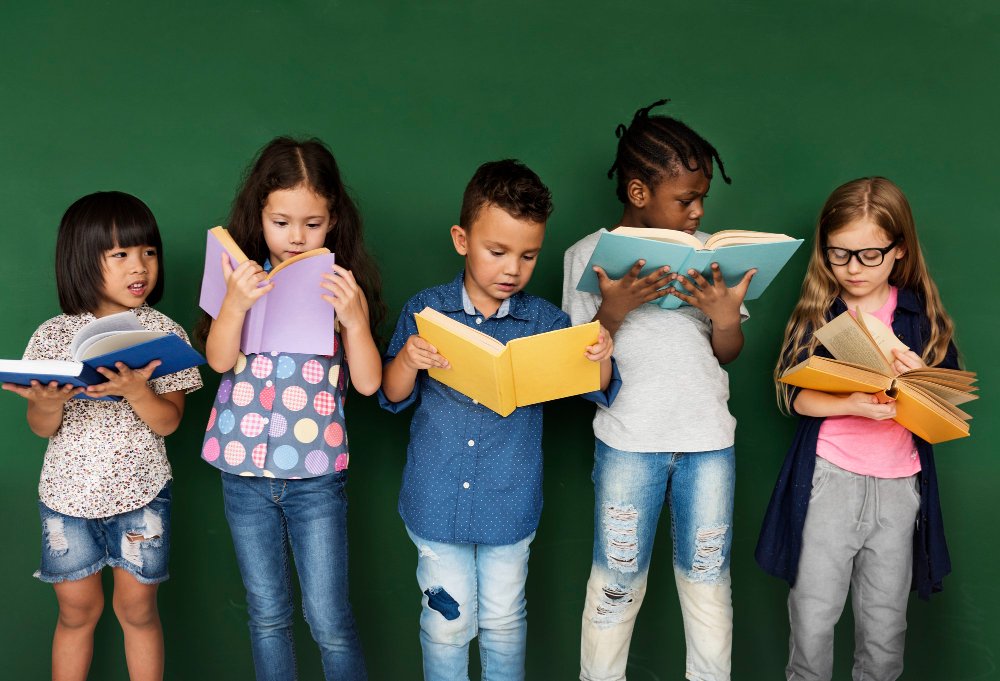
Reading is an essential activity that every child should have as a habit. It improves fluency and communication skills, introduces new vocabulary, and helps develop a wider worldview. Reading books of different genres opens gateways to experience diverse scenarios and forms unique perspectives in the reader’s mind. One gets a chance to go through different emotions and situations in the comfort of their homes. It enhances literacy skills and academic progress. In this blog, we will explore a few techniques to develop reading skills for school students.  

The 4 Key Reading Techniques

  1. Skimming: If the text that you are reading is too lengthy and complicated, then a method called skimming could be used. It means to quickly go through the entire text just to get an overview and understand the gist of what is written. Headings and sub-headings used in the text save time and help in easy comprehension and identification of the main theme without having to read every word.

  2. Scanning: This is a type of reading skill wherein the focus is to look out for specific keywords without reading every line. The reader reads in a fast manner only to spot particular pieces of information, such as words, names, dates, days, etc. This method is beneficial when you are already aware of what you are trying to locate.

  3. Intensive reading: This reading technique requires a lot of attention and involves reading in-depth. The reader almost reads every word with great focus on structure, grammar and vocabulary to have a good understanding of topics. This reading skill improves the comprehension and critical thinking of school students.

  4. Extensive reading: This is more about reading large volumes of text just for fun, leisure, or as a hobby. Readers are less concerned about details.  They usually read magazines, novels, and fictional books for knowledge, building vocabulary, or to have a relaxed experience.

Essential Skills for Achieving Reading Success

Reading skills are crucial for developing strong comprehension abilities and for achieving reading success. Such skills can be mastered over time, and they include the following:

  1. Decoding: This is a method of breaking down complex topics into simple matters and also translating written words into spoken form. This ability gives the reader an opportunity to learn the pronunciation and meaning of the texts. This improves reading efficiency and fluency.

  2. Acquiring new vocabulary: Reading introduces children to multiple new words. They can learn the meaning of these words and start using them in daily conversations. This helps them develop better communication skills  and also helps in understanding complex conversations. It also helps  provide a good reading experience without having to check the meaning every time.

  3. Fluency: Fluency refers to the ability to speak easily and accurately. Reading frequently improves fluency in a particular language. It makes reading enjoyable, and children can converse without any hesitation.

  4. Knowing language conventions: Reading gives a chance to understand the basic as well as advanced levels of a language. Children can understand grammar, punctuation, pronunciation, and syntax to improve reading comprehension and writing skills.

  5. Reading comprehension: It means to decode and understand the written text. Strong comprehension skills help students grasp and retain the information for longer durations.

  6. Working memory and attention: Studies have shown that due to continuous engagement of the brain while reading, reading enhances memory and attention span. Children learn to read and store information, leading to better learning outcomes.

  7. Reasoning and background knowledge: Reasoning skills and prior knowledge allow readers to draw conclusions and relate new information to background knowledge. This connection helps them enhance their level of understanding and retain and apply concepts more effectively.

Differences Between Active And Passive Reading

Active and Passive Reading
Active Reading Passive Reading
Reading with a purpose of learning. Reading without any purpose or for leisure.
The style and pace of reading depend on the complexity and length of the text. Reading style and speed are similar for all kinds of texts.
Multiple reading techniques are used. Skimming can be frequently used.
It involves critical thinking. This does not always need thinking.
Involves active questioning. No such interaction.
Leads to deeper understanding and retention. The reader simply reads without the need for retention.

Categories Of Reading Comprehension

The types of reading comprehension include:

  1. Literal: This method focuses on understanding the explicit meaning and the ability to to identify specific details, the main theme and message, and answer questions based on the information contained in the text. 

  2. Inferential: The meaning or the message of the text is somewhat implicit and hidden. The reader has to utilize reasoning and understanding skills to interpret and arrive at the conclusion using the hints given.

  3. Evaluative: The method mainly involves judging the text based on the author’s tone, style of writing, point of view of the author, and developing one’s well-supported opinion.

Reading Skills In The Classroom

Given below are some effective strategies to teach reading skills in the classroom:

  • Encouraging students to read aloud to improve pronunciation and fluency.
  • Encouraging students to ask questions and discuss the topics.
  • Promoting group reading activities.
  • Conducting reading and writing activities and giving students proper feedback.
  • Using visual aids and videos to teach correct pronunciation or usage of vocabulary.

How To Improve Reading Skills Of A Child?

Here are some practical skills to improve the reading skills of children:

  • Reading along with children to boost their confidence and help them understand better.
  • Encouraging them to read on a regular basis.
  • Creating a reading-friendly environment at home and school.
  • Introducing and buying them books that excite them.
  • Set a reading routine to help them stay consistent.
  • Playing word games such as scrabble or crossword puzzles can improve their fluency and build vocabulary.
  • Listening to audiobooks.

Conclusion

Reading and learning is a lifelong process. If children start cultivating the habit of reading from an early age, it helps them retain more information, increases their attention span, and lays a strong foundation of the language and grammar. Reading comprehension improves fluency, communication, and vocabulary. It helps children converse confidently and develop social skills. Parents and teachers should follow good strategies to improve the reading skills of their children for academic and personal success.
Thank you for reading our blog! We hope you found the information helpful and engaging. Don’t forget to explore our latest blog Which Board is Best in India for more insights. As one of the Best Montessori School in Bangalore, we offer a variety of programs designed to enrich your child’s learning experience. You can explore our website to find all the details about our school and the various programs we offer. Happy reading!

Frequently Asked Questions (FAQs)

What are the four key reading techniques every child should learn?
Skimming—glancing quickly; scanning—locating specific information; intensive reading—deep reading; and extensive reading—reading for fun are four key techniques that every child should learn. 

How does skimming differ from scanning in reading?
In skimming, the reader quickly goes through the entire text to get the overview or understand the message using headlines and subheadings. In scanning, readers look for specific information like dates, days, names, etc.; they already know what the text is all about.

Why is vocabulary acquisition important for reading comprehension?Vocabulary acquisition makes reading easy and smooth. It also saves time, as the reader does not need to spend effort understanding the meaning of various words. Strong vocabulary helps in identifying  the essence of the text and improves retention span.

What is the difference between active and passive reading methods?
In the active reading method, the goal of the reader is to learn, think and form opinions. This form of reading helps raise questions and helps in understanding the subject matter to retain information. The reader  adjusts his reading style and speed based on the text. While using passive reading techniques, the reader reads the text just for pleasure without any background knowledge. It does not involve questioning and critical thinking.

How can parents help improve their child’s reading skills at home?
Setting a proper reading schedule for children.
Reading together frequently.
Creating reading space at home.
Discussing books, stories and characters to excite them.
Buying books of different genres.
Giving them feedback and correcting their mistakes.

Top 7 Activities for Kids

activity for kids

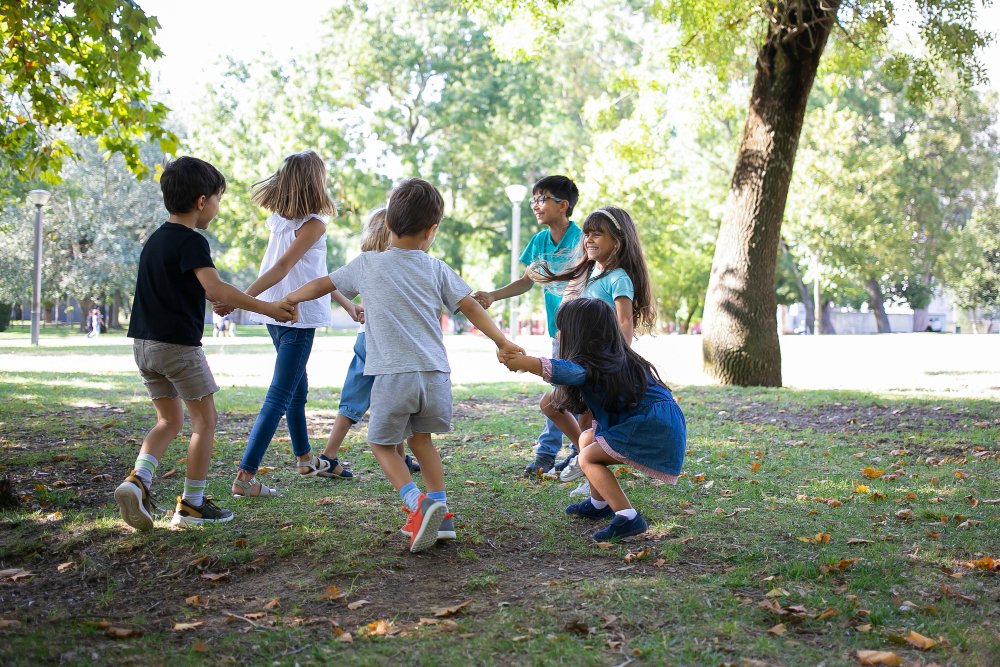
How do you get children to learn? How do you engage them in activities that capture their interest? How can you extend their attention span and limit their screen time? If you’re grappling with these questions, you’re in the right place. It’s commonly observed that children struggle to focus on a single task for more than 10 minutes. With the rise of smartphones, their distraction levels have only increased. Therefore, it’s crucial to help children concentrate on one activity for longer periods. In this blog, we’ll explore some fun activities that will keep kids engaged for extended durations.

Activities to Improve Focus

Sensory Play Activities: These activities engage the senses of smell, taste, touch, hearing, and sight. Activities like clay molding, playing with water, walking barefoot, finger painting, playing musical instruments, or making sandwiches enhance motor skills and focus. Additionally, they reduce stress levels and captivate children’s interest.

Memory Games and Puzzles: These are excellent for boosting memory retention, cognitive abilities, concentration, and critical thinking. Games like Sudoku, crosswords, Rubik’s cubes, jigsaw puzzles, or matching games sharpen short-term memory and observational skills.

Physical Activities for Better Focus: Engaging in sports, yoga, and exercise keeps children physically active and sharpens their ability to concentrate. Activities like archery and cricket require intense focus, reducing stress and calming the mind.

Creative Arts and Crafts: Painting, drawing, paper crafts, and DIY projects foster creativity and imagination. These activities allow children to express their ideas, improve hand-eye coordination, and refine their fine motor skills.

Mindfulness and Relaxation Techniques: Guided meditation, deep breathing exercises, and yoga promote a sense of calm and relaxation. These practices improve focus, reduce anxiety, and enhance overall well-being.

Interactive Storytelling and Role-Playing: Storytelling enriches vocabulary, communication, and listening skills. Role-playing allows children to understand different situations and characters, fostering empathy, cooperation, and imaginative thinking.

Educational Board Games: Games like chess, Scrabble, and crosswords boost strategic thinking, patience, and problem-solving abilities. They make learning enjoyable and teach children to handle failure constructively.

Activities That Help Kids Increase Attention Span

Memory Games: Memory games, such as matching cards or puzzles, challenge children to memorize, recognize patterns, and make associations, thereby developing their cognitive skills and attention span. These games enhance the brain’s ability to process and retain information, critical for learning and problem-solving.

Bead Jewelry: Creating bead jewelry is a fantastic activity for building motor skills and concentration. While beading, children develop patience, organizational skills, attention to detail, and pattern recognition. This activity also fosters creativity and self-esteem, promoting cognitive development and improving attention span.

Spot the Difference: “Spot the difference” activities encourage children to pay attention to detail and sharpen their observational skills. By comparing two similar images and identifying differences, children learn to notice small changes and patterns, which later contribute to critical thinking and problem-solving. With consistent practice, this activity enhances attention span, perseverance, and patience.

Conclusion

Integrating fun activities with the mainstream curriculum is an excellent way to engage students. Incorporating activities like sensory play, memory games, and bead jewelry into a child’s daily routine promotes overall development by enhancing cognitive skills, fine motor abilities, and social-emotional growth. These engaging experiences foster creativity, concentration, and problem-solving, making learning enjoyable and impactful. Parents can also introduce these interactive activities at home for consistent learning.
Thank you for reading our blog! We hope you found the information helpful and engaging. Don’t forget to explore our latest blog Types of Reading Skills for more insights. As one of the Best Pre-School in Bangalore, we offer a variety of programs designed to enrich your child’s learning experience. You can explore our website to find all the details about our school and the various programs we offer. Happy reading!

Frequently Asked Questions (FAQs)

What are some fun activities that can improve my child’s concentration?
Fun activities that improve your child’s concentration include crosswords, jigsaw puzzles, Sudoku, clay molding, finger painting, role-playing, interactive storytelling, spot the difference games, board games, beading, and physical activities.

How can sensory play benefit my child’s development?
Sensory play enhances cognitive, motor, and sensory skills, fostering a child’s development. It stimulates sensory organs and encourages creativity, problem-solving, and emotional regulation while making learning about the environment enjoyable.

What types of games are best for enhancing kids’ memory and focus?
Matching card games, chess, crosswords, Rubik’s cubes, and spot the difference games enhance kids’ memory and focus. They boost cognitive development, improve recall, and increase attention span.

Are there any physical activities that help improve attention span in children?
Yes, sports, exercises, meditation, yoga, and dance help improve focus and retention. These activities teach discipline, attention to detail, and encourage teamwork.